Built Around Your Process

Mixing Screw Conveyor

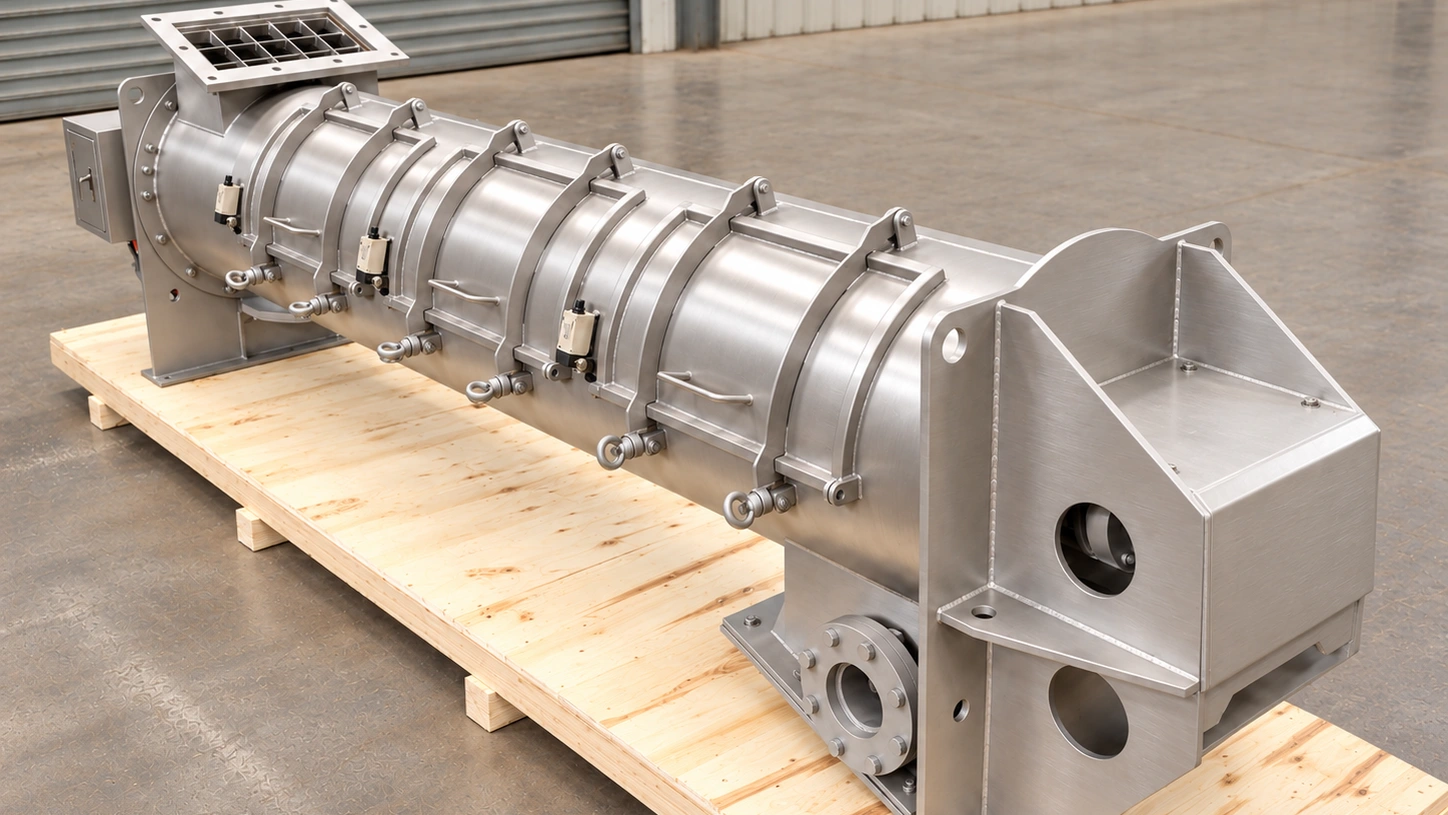
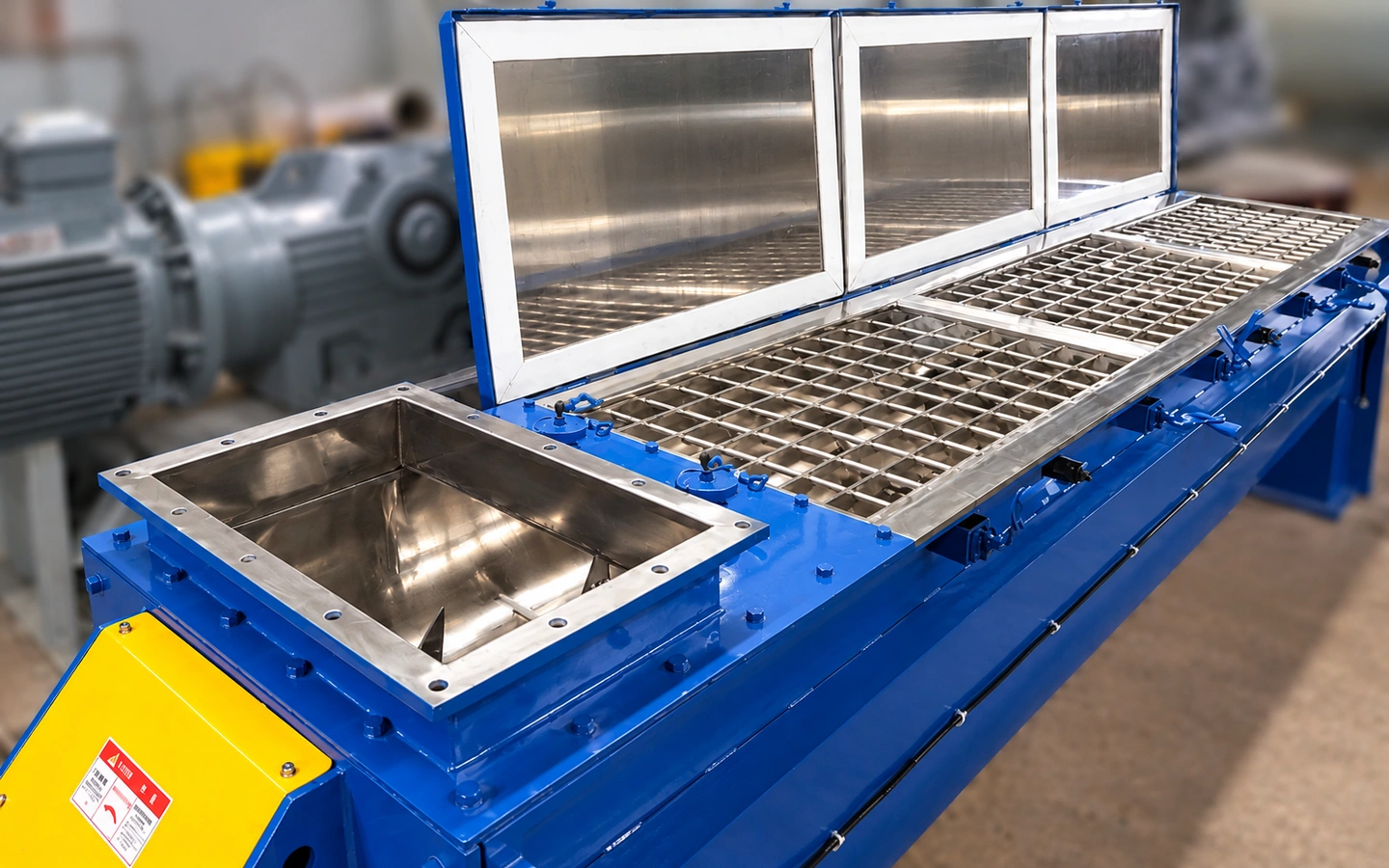
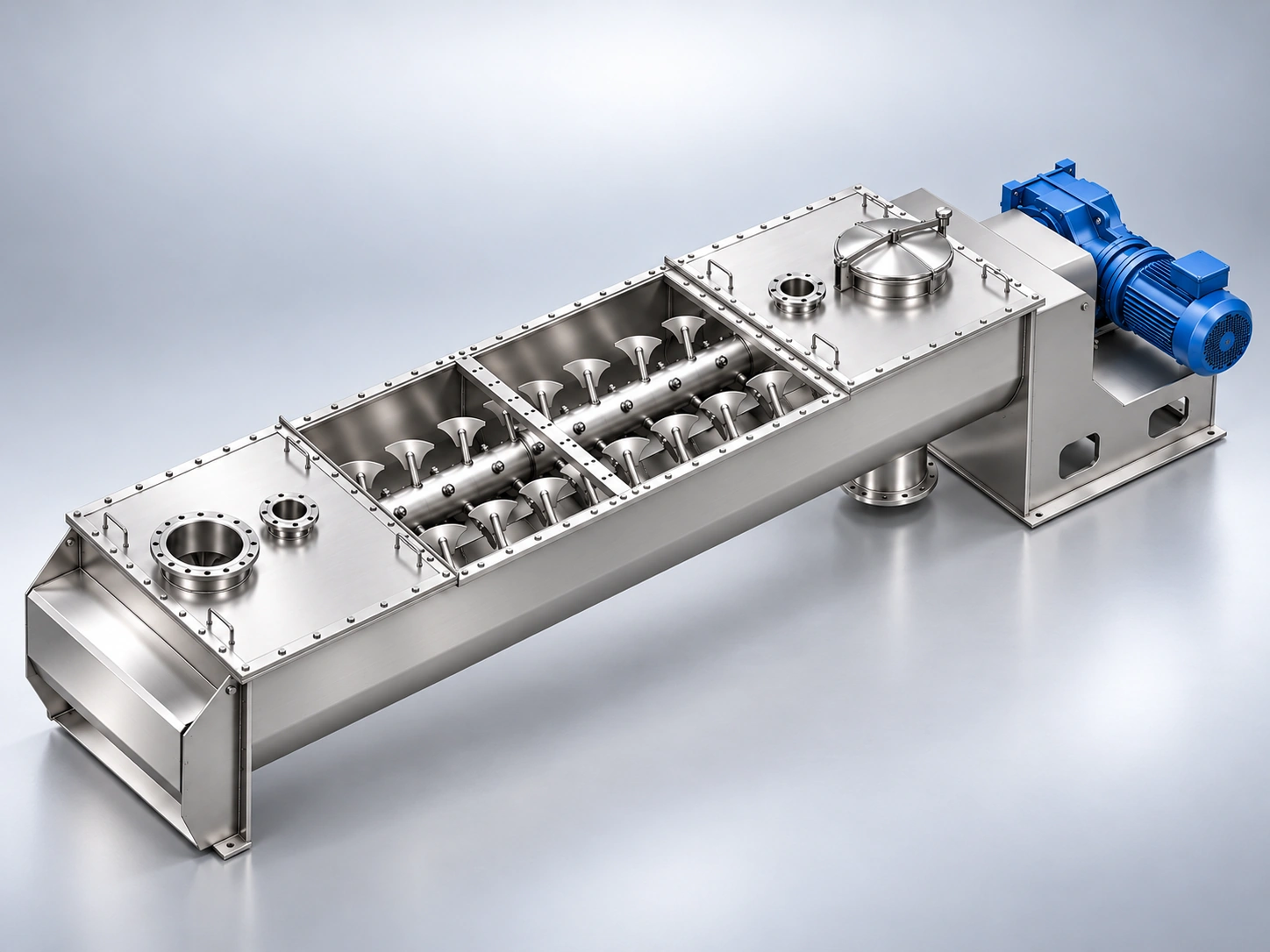
Custom mixing screw conveyors combine material transfer with in-line blending using ribbon or paddle elements, selected for material behavior and mixing requirements.

Mixing Screw Conveyor
Mixing Screw Conveyor working principle
Understand the Configuration

How It Works

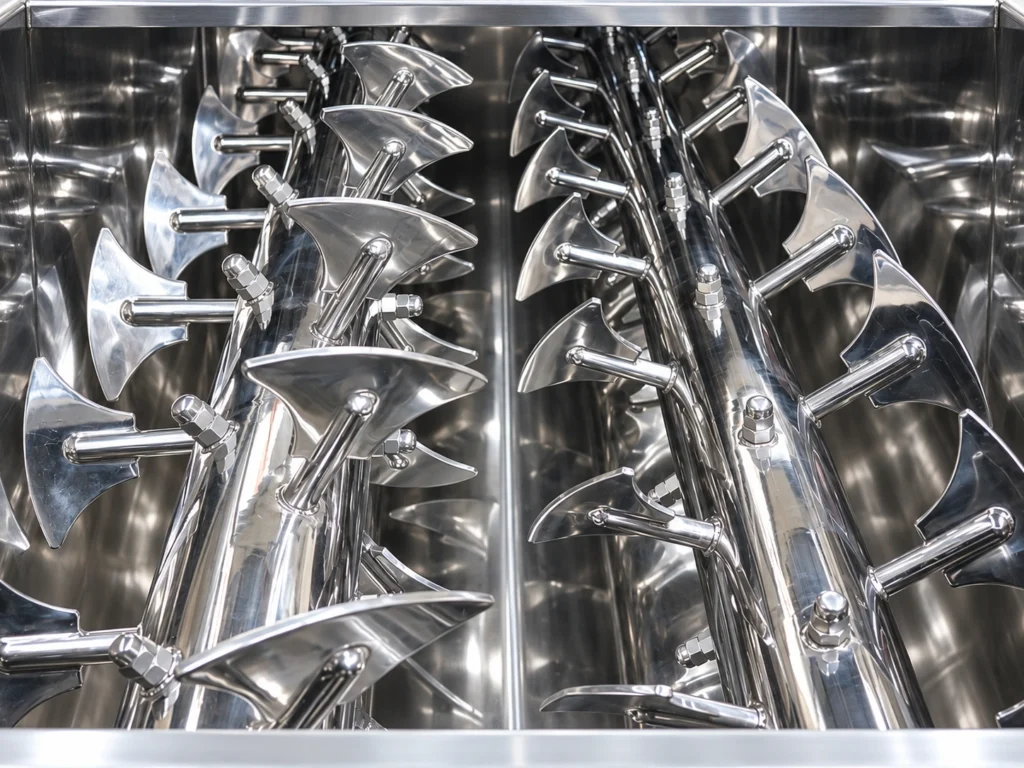
A mixing screw conveyor transfers bulk materials while specially configured screw flights or paddles promote material turnover and redistribution during conveying. Ribbon flights provide an open flight profile, while paddle elements can redirect and turn material as it moves through the trough.

The mixing action depends on the internal element arrangement, screw speed, feed rate, fill level and available mixing length. These factors are selected according to material properties, required throughput and the intended blending duty.
01

Convey & Mix

Material advances through the conveyor while internal mixing elements redistribute portions of the moving material.

02

Element-Driven Mixing

Ribbon or paddle arrangements influence how material is turned, redirected and blended along the conveying path.

03

Residence & Flow

Mixing exposure is influenced by feed consistency, screw speed, fill level and the length of the mixing section.

Choose Around Your Application

Your Options

These are the main configuration decisions. Material, capacity, layout and operating conditions determine which combination fits the application.

01

Mixing Elements

Mixing elements are selected according to material behavior, required blending action and conveying duty.

Compare Choices
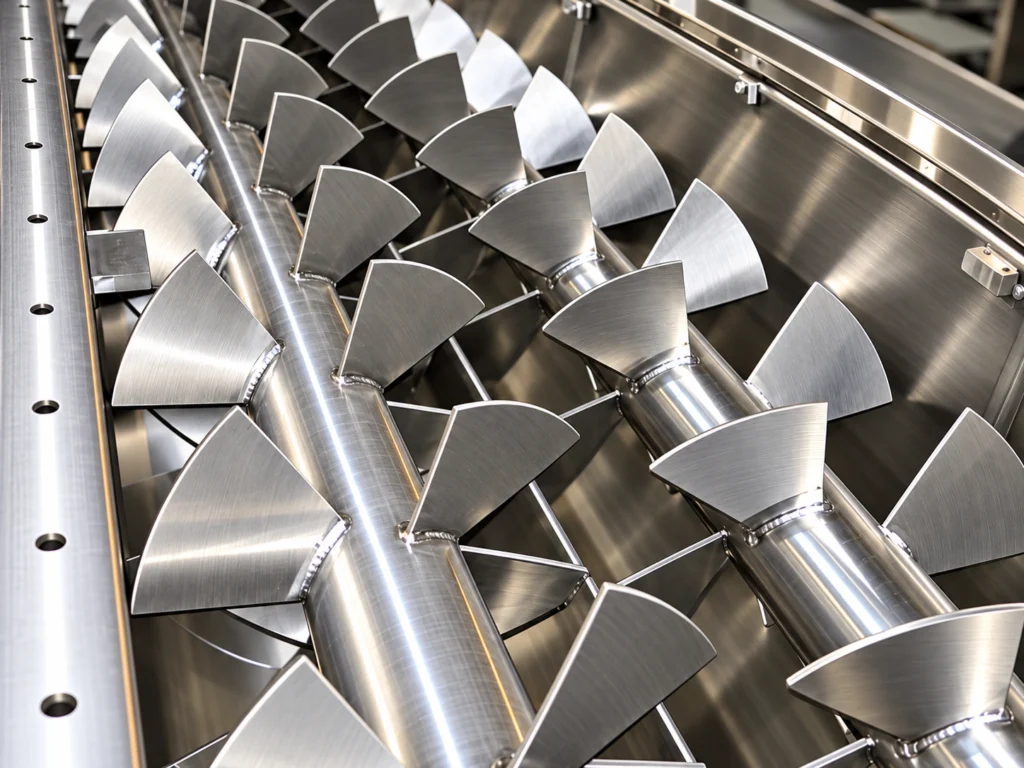
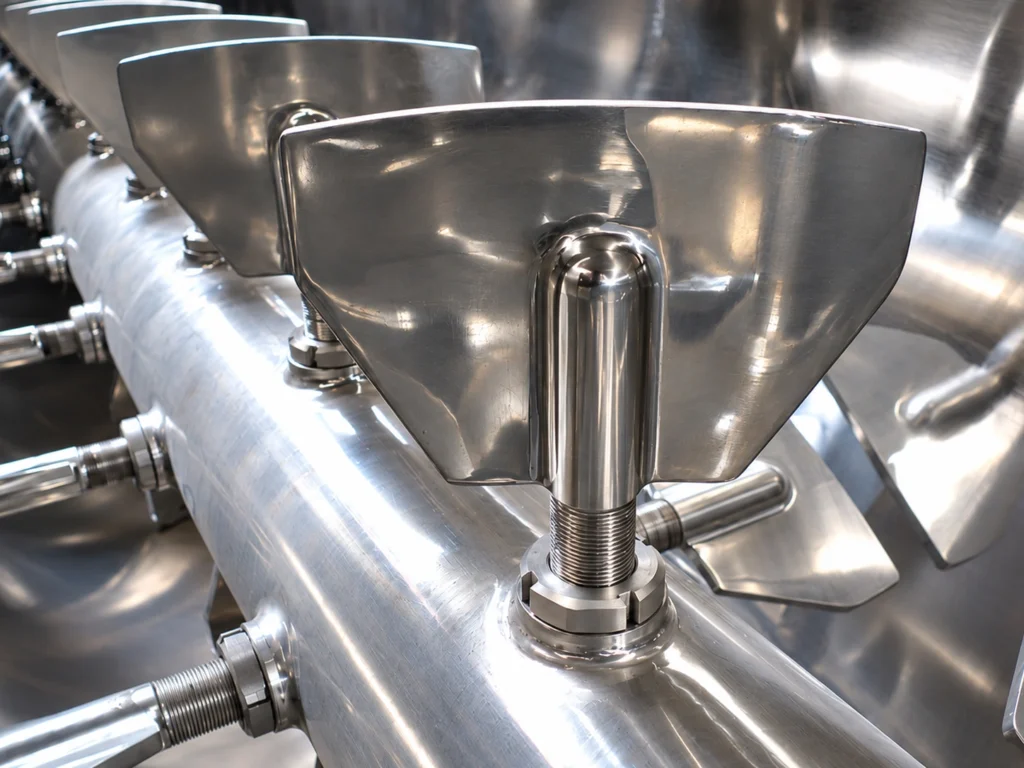
Fixed Paddles

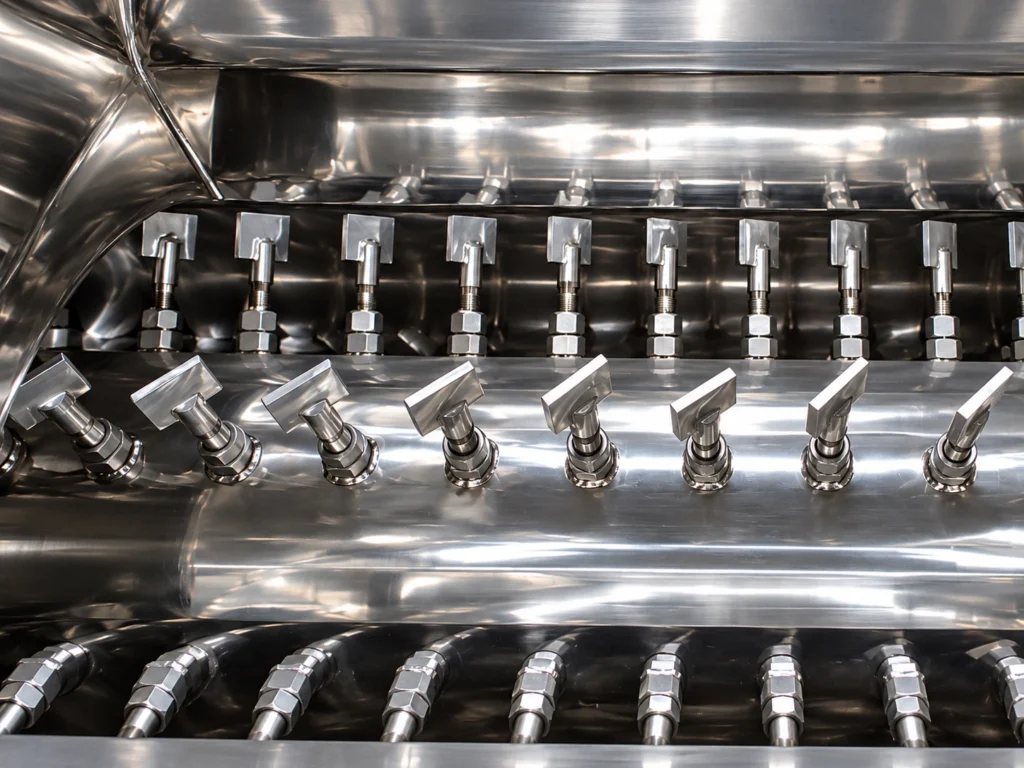
Fixed paddles provide consistent material turning and redistribution with a simple, robust construction.

Adjustable Paddles

Adjustable paddles allow the blade angle to be set for different material movement and blending requirements.
02

Shaft Configuration

Single-shaft or twin-shaft configurations are selected according to mixing requirements, material behavior, and equipment capacity.

Compare Choices
Single-Shaft

A single mixing shaft provides controlled material movement and blending within a compact, straightforward arrangement.

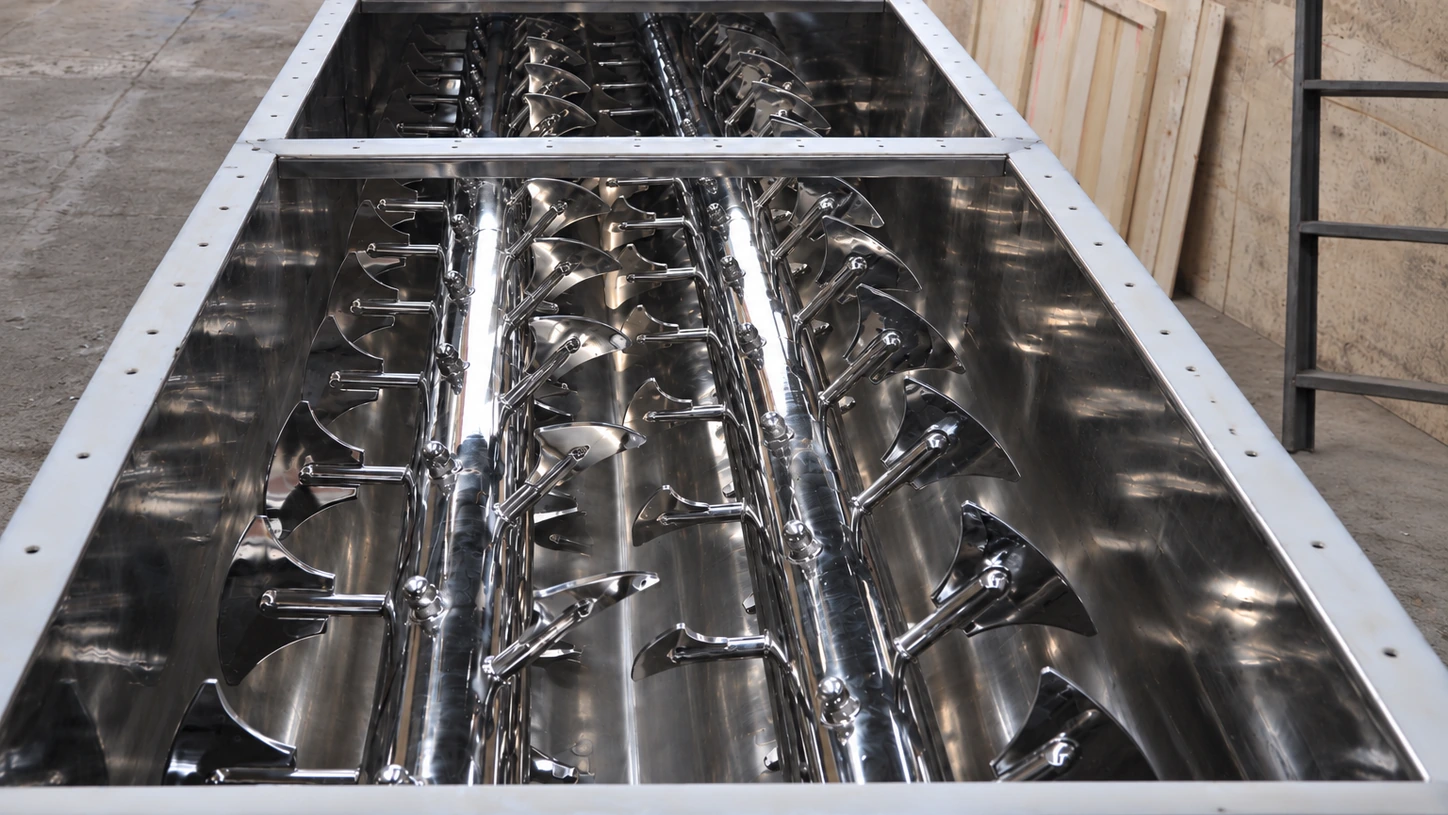
Twin-Shaft

Two parallel shafts provide interacting mixing zones for enhanced material turnover and blending where required.

03

Housing Configuration

Housing configuration is selected according to material containment, cleaning access and process requirements.

Compare Choices
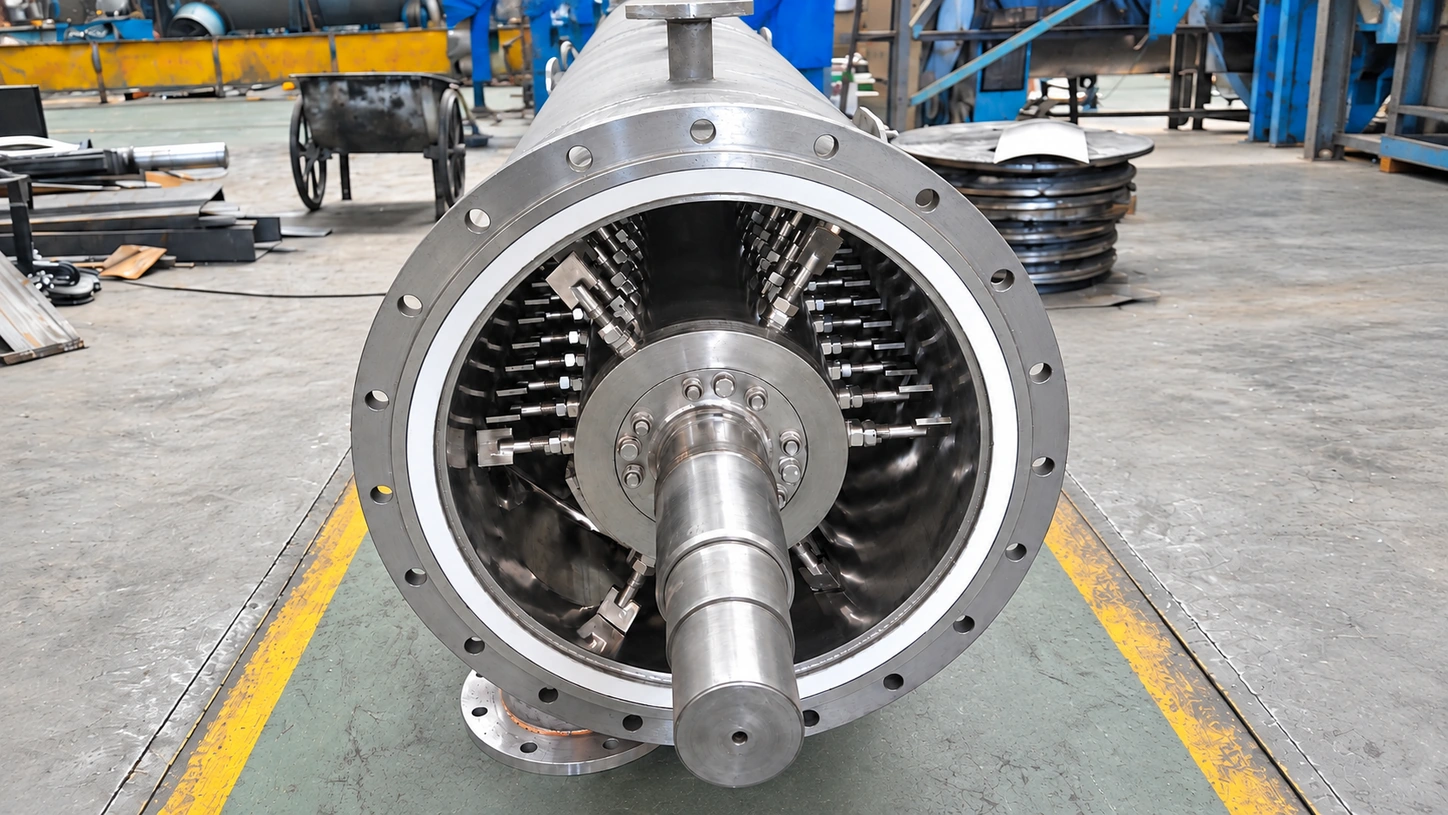
Tubular Housing

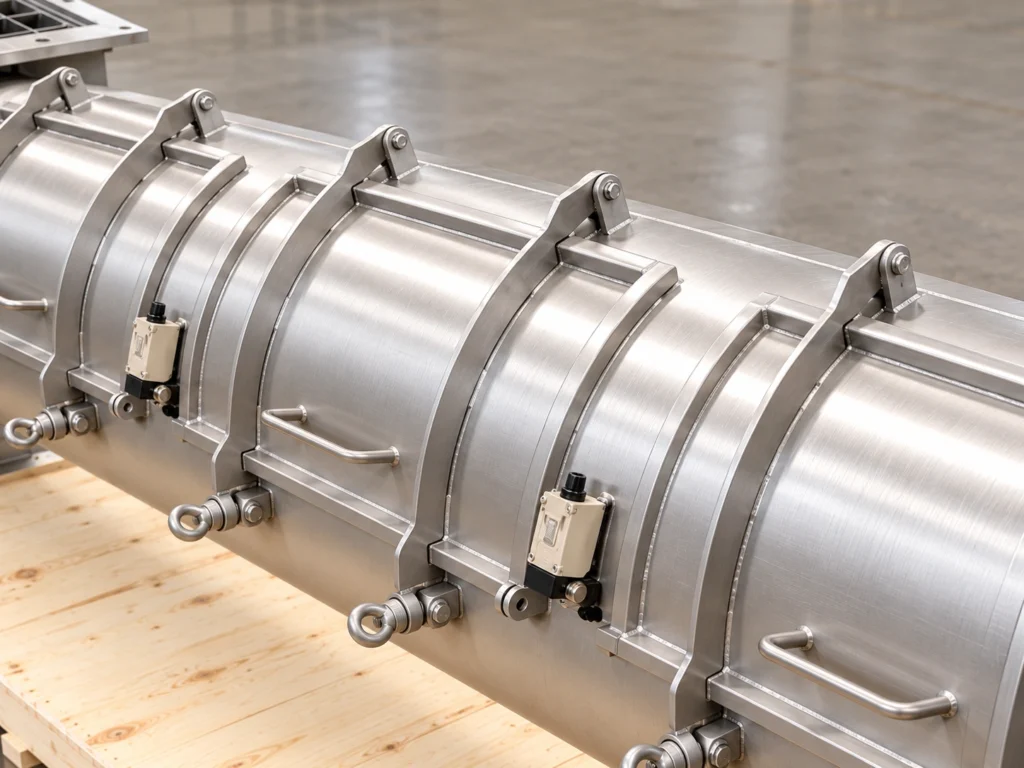
A fully enclosed circular housing provides effective material containment and a compact conveying arrangement.

U-Trough

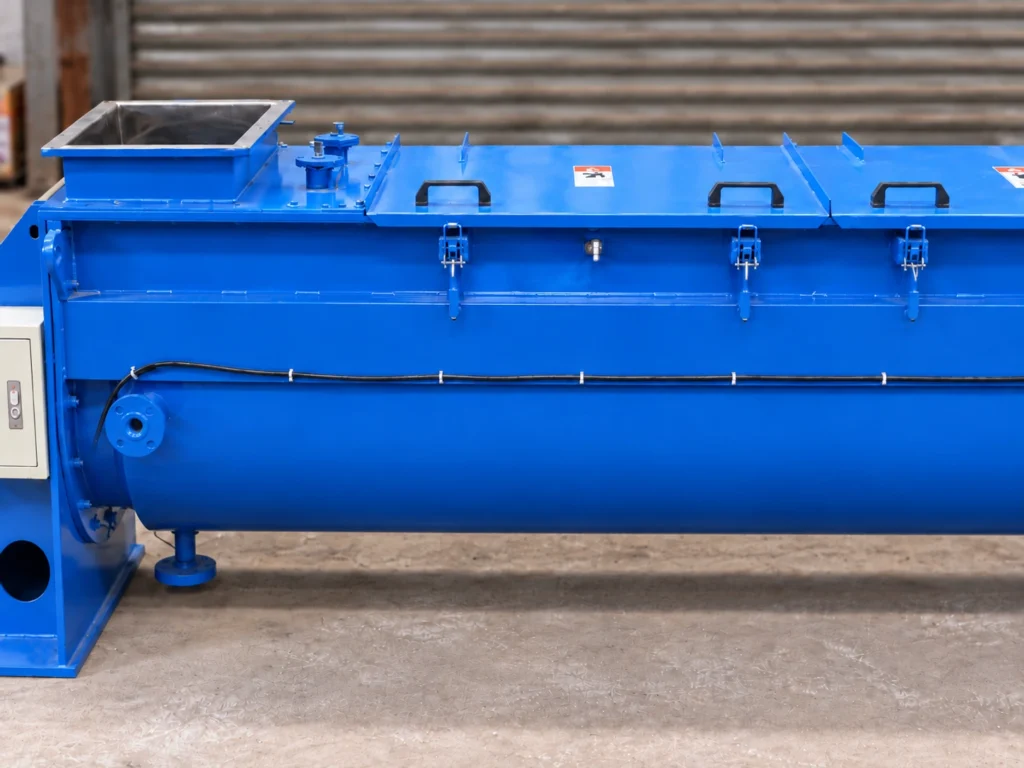
A U-shaped trough provides easier access to the screw and mixing elements for inspection, cleaning and maintenance.

04

Shaft Sealing

Shaft sealing is selected according to material characteristics, containment requirements and the operating environment.

Compare Choices
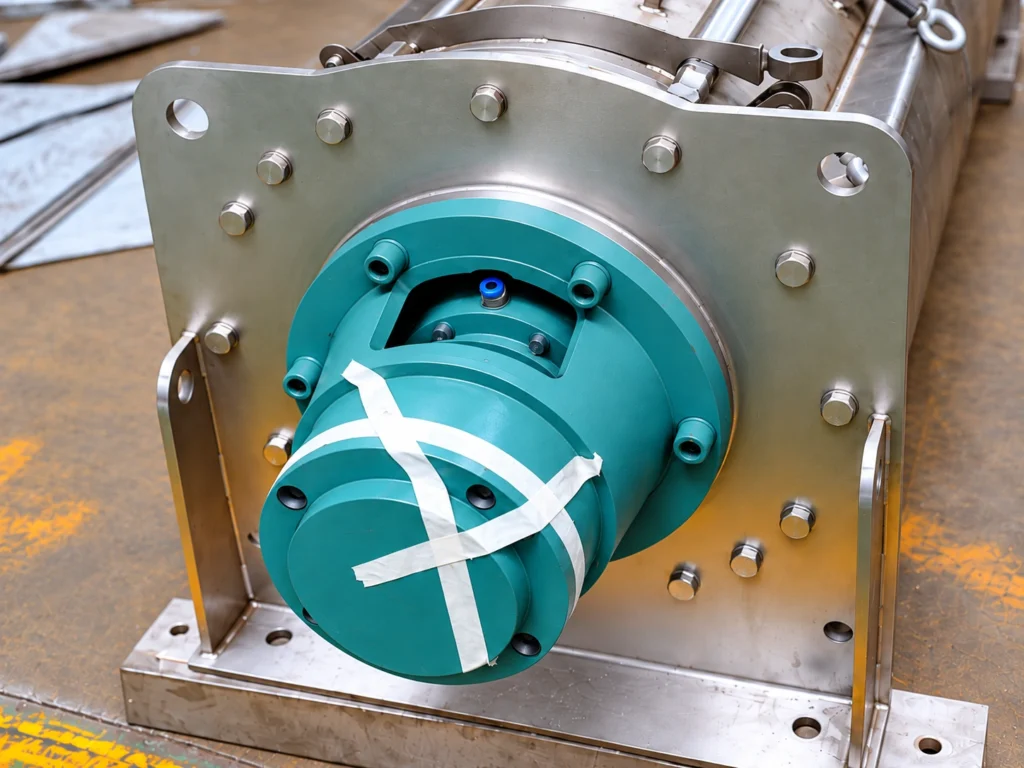
Air-Purged Seal

A controlled air purge helps reduce material migration through the shaft sealing area.

Packing Seal

Packing around the shaft provides a practical sealing arrangement for general industrial applications.

05

Drive Arrangement

Drive arrangement is selected according to torque requirements, shaft connection, installation space and maintenance access.

Compare Choices
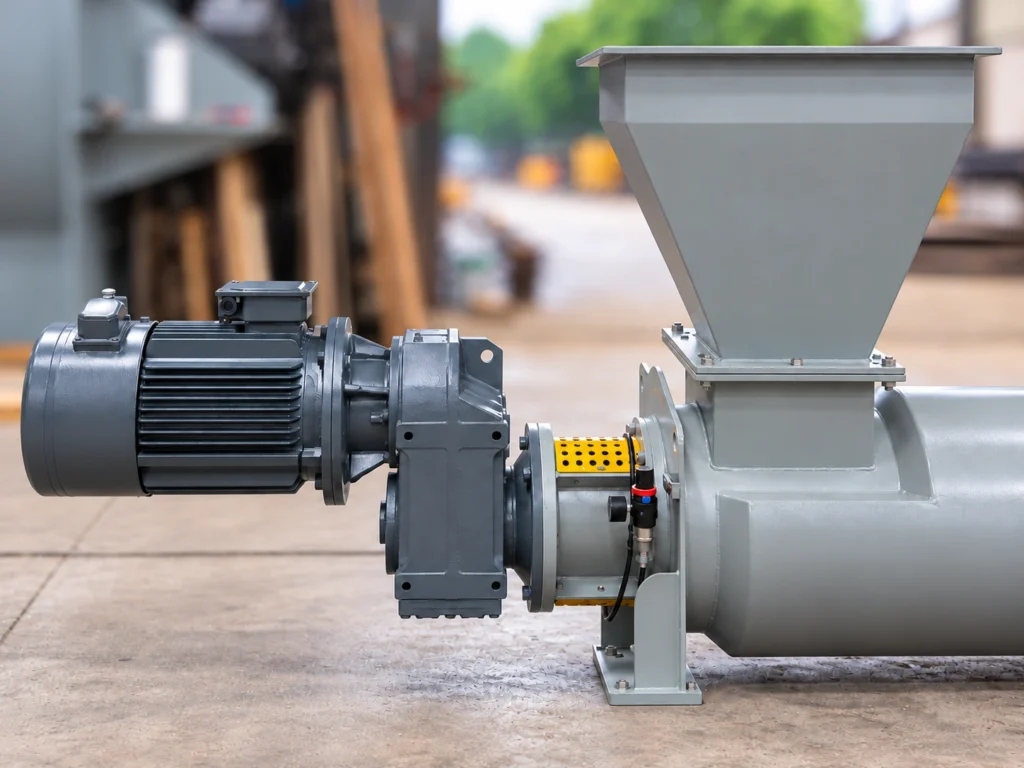
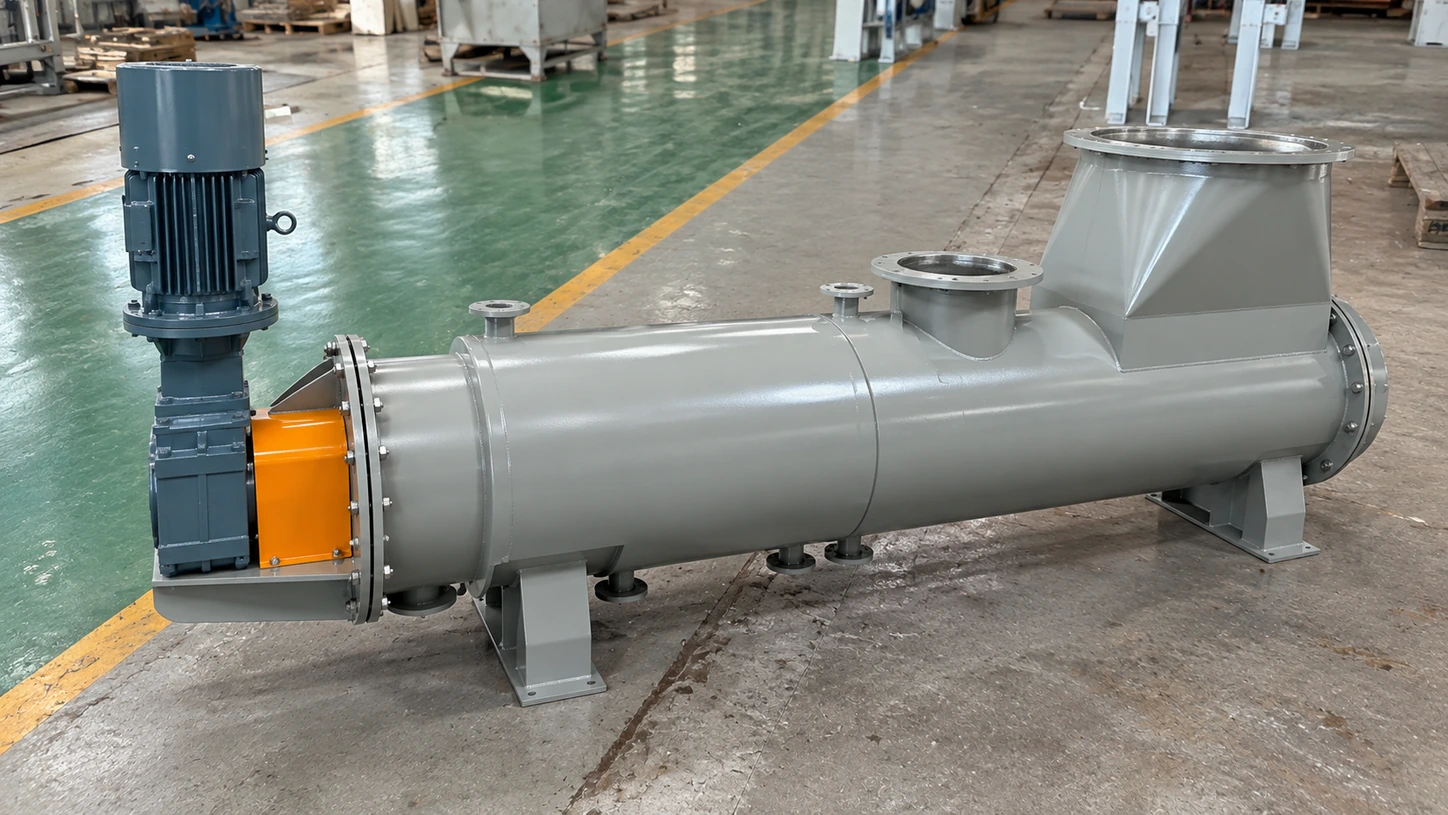
Direct Drive

The gear reducer is mounted directly to the conveyor drive shaft for a compact arrangement with no separate chain transmission.

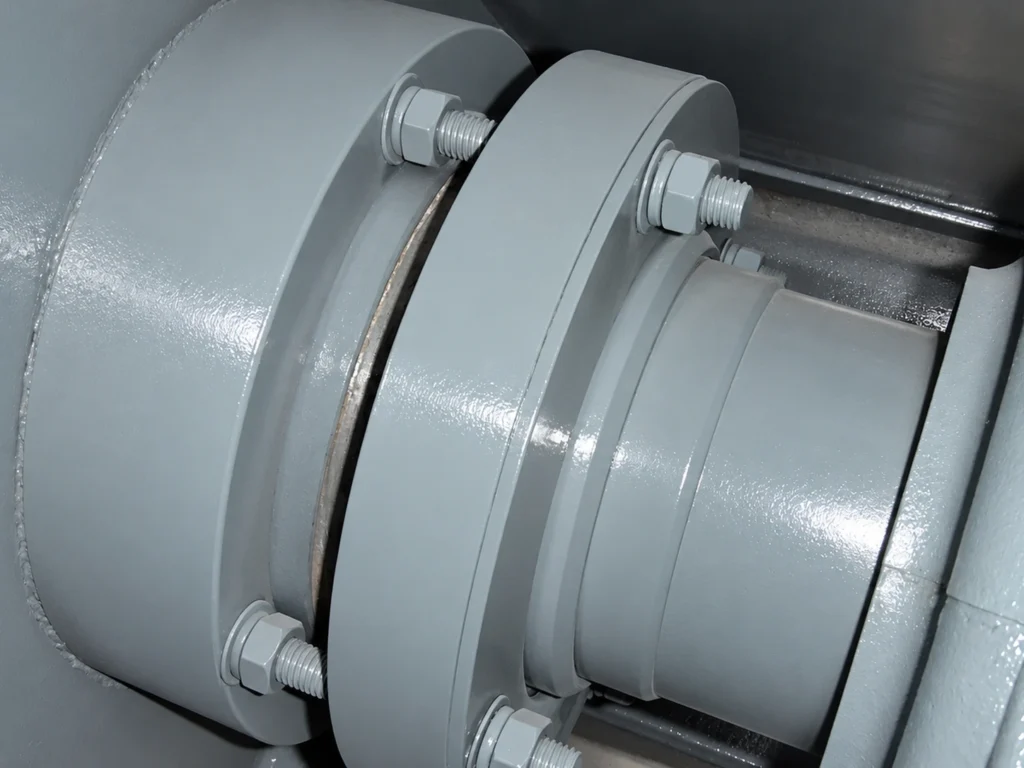
Coupling Drive

The drive is connected to the conveyor shaft through a coupling, providing a separate connection between the reducer and screw assembly.

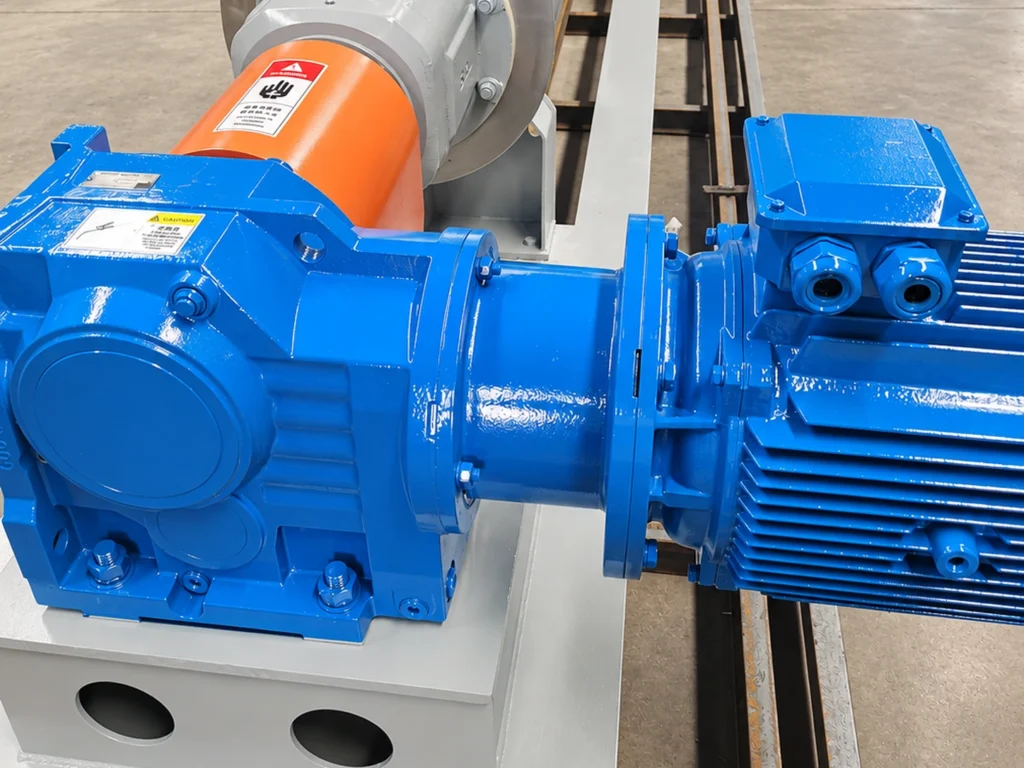
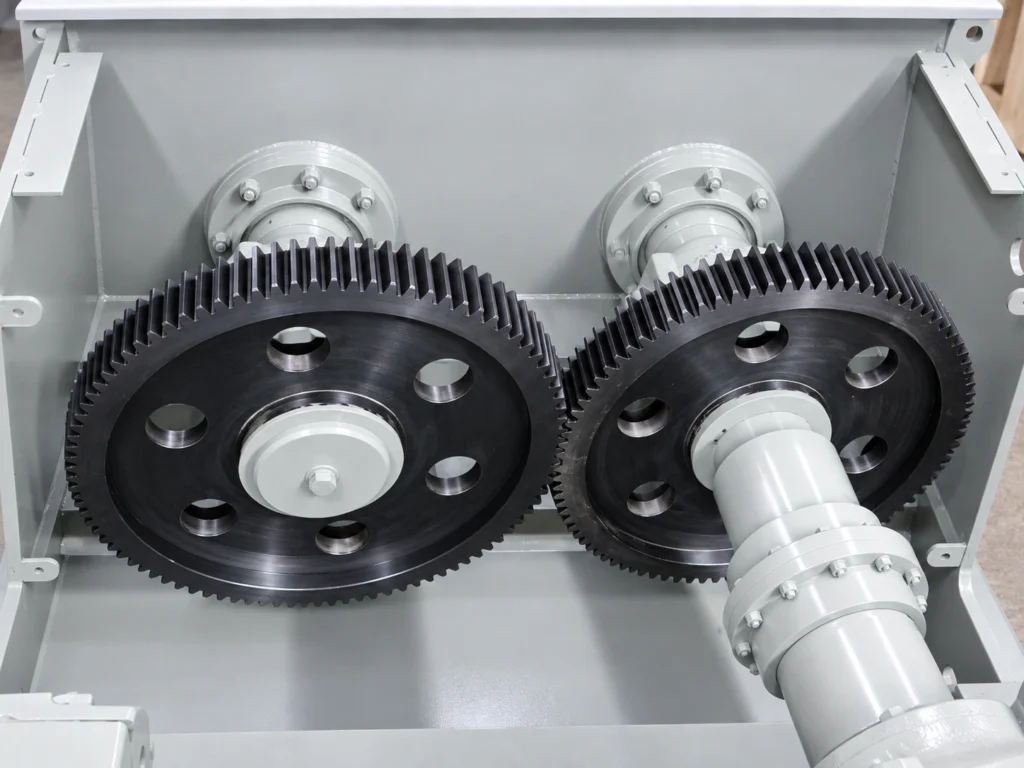
Twin-Shaft Gear Drive

A single drive transmits power through a gear set to both screw shafts, synchronizing their rotation for twin-shaft mixing arrangements.

Technical Inquiry

Start Here

Tell us what you are moving and what the process needs to achieve. We will review the application and follow up on the technical details that matter.

Material: What are you conveying?
Capacity: What throughput do you need?
Layout: Approximate length, inclination or known connection points.
Project Details: Add anything that may affect the application.
Attachments: Share with us docs like drawing, photos, flow chart if available.

Prefer a quick conversation?

Message us on WhatsApp

Project Details

No commitment required. We evaluate application feasibility first.

We will review the application before recommending a conveyor configuration.