Built Around Your Process

Tubular Screw Conveyor

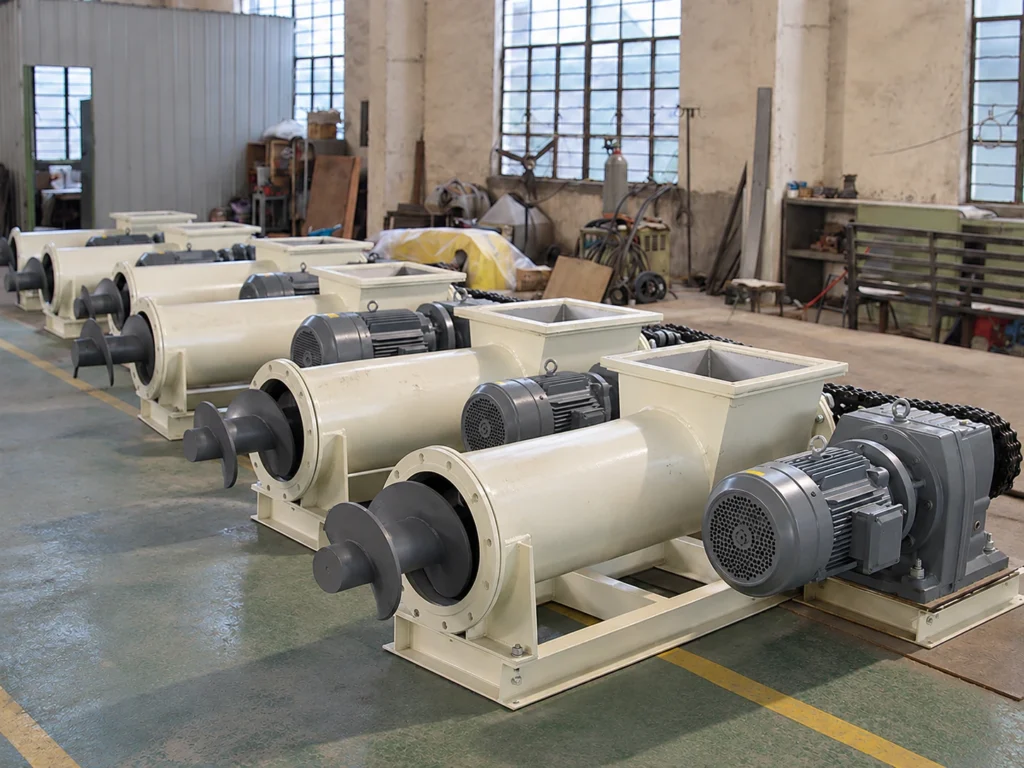
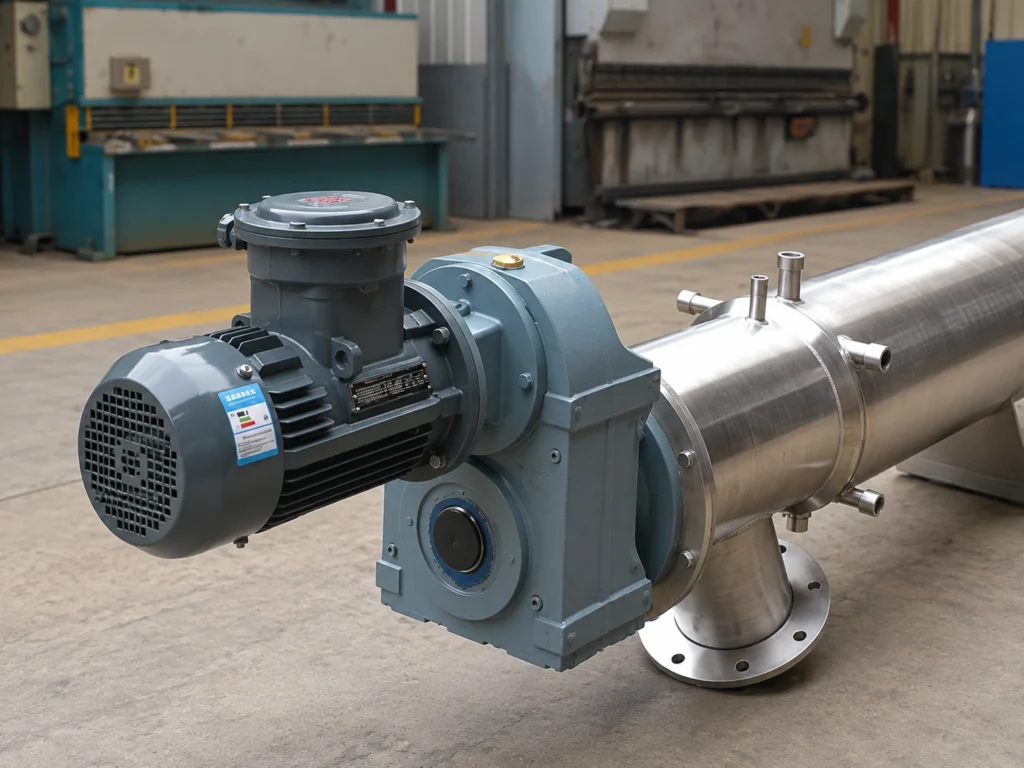
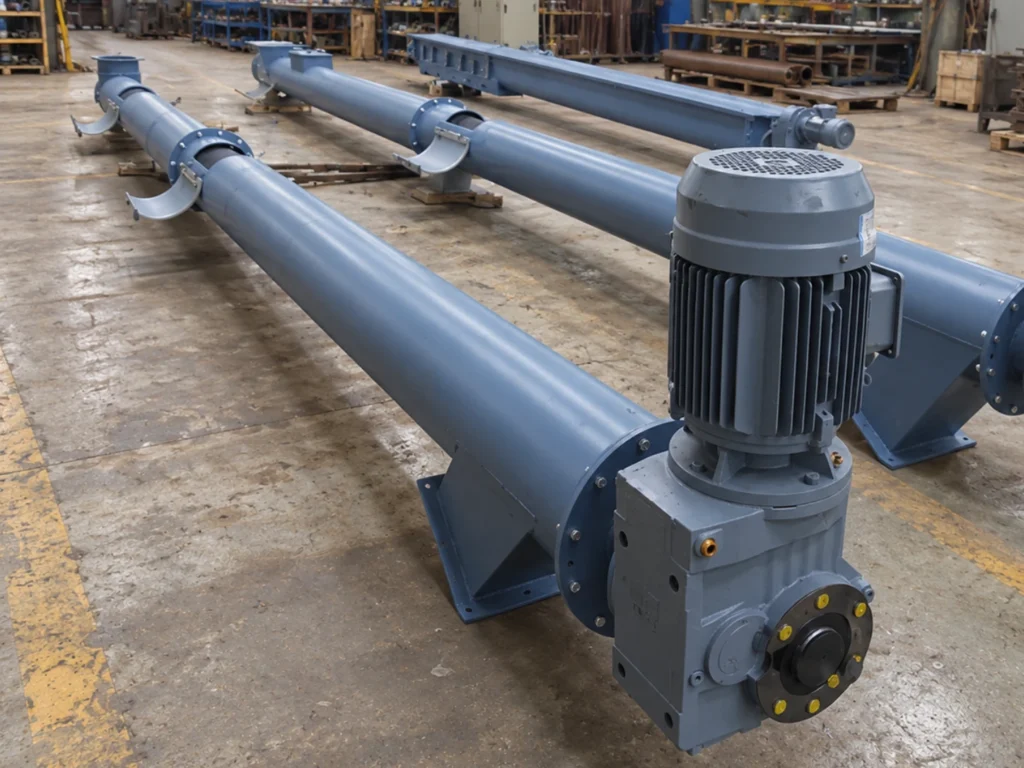
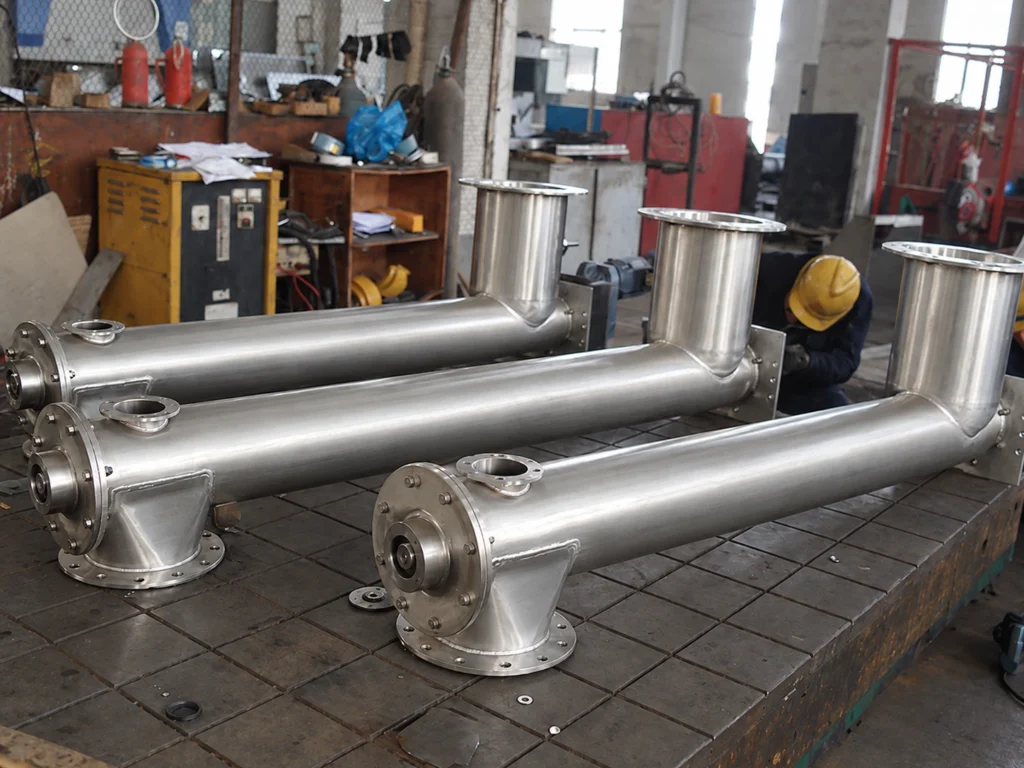
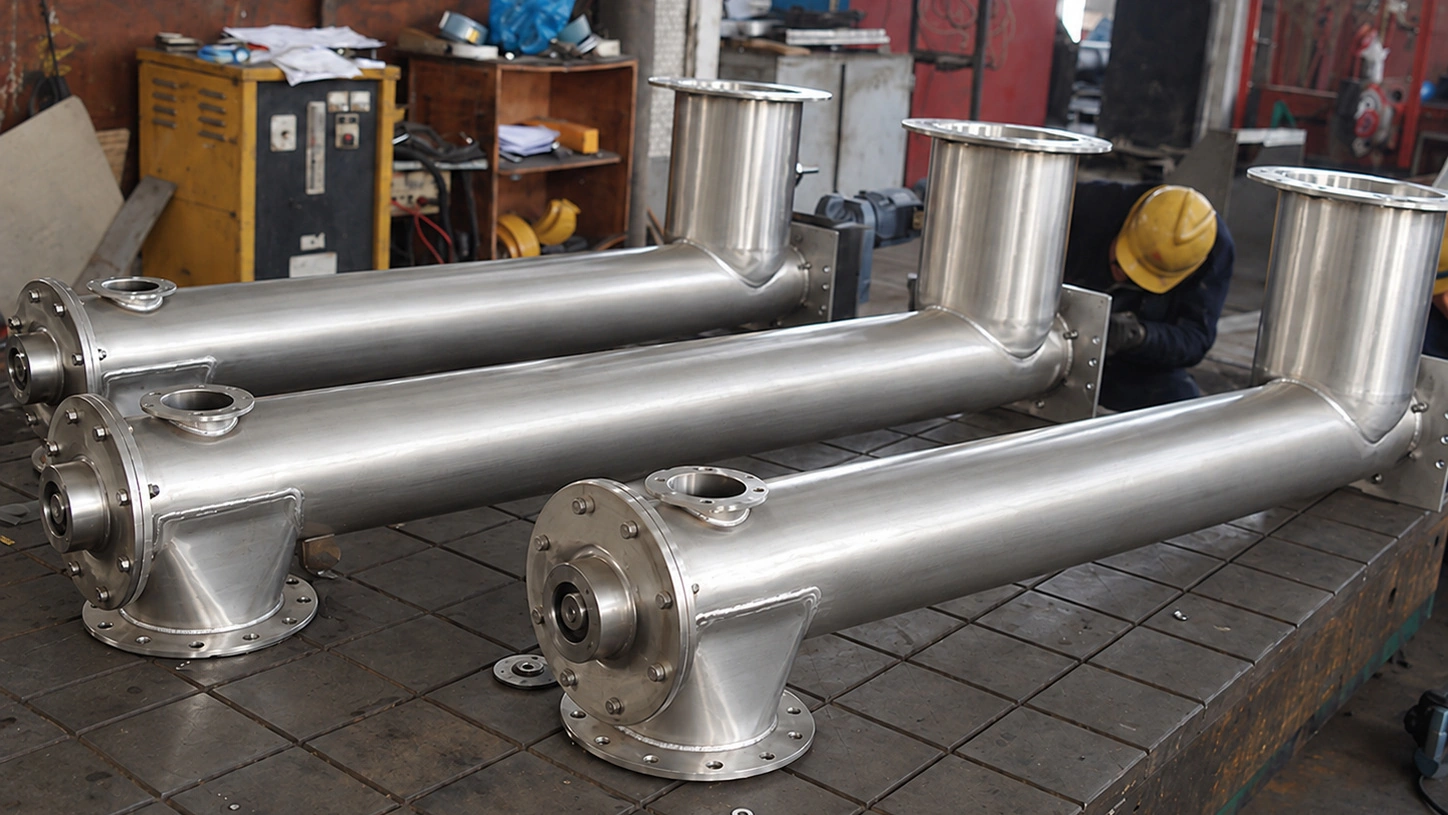
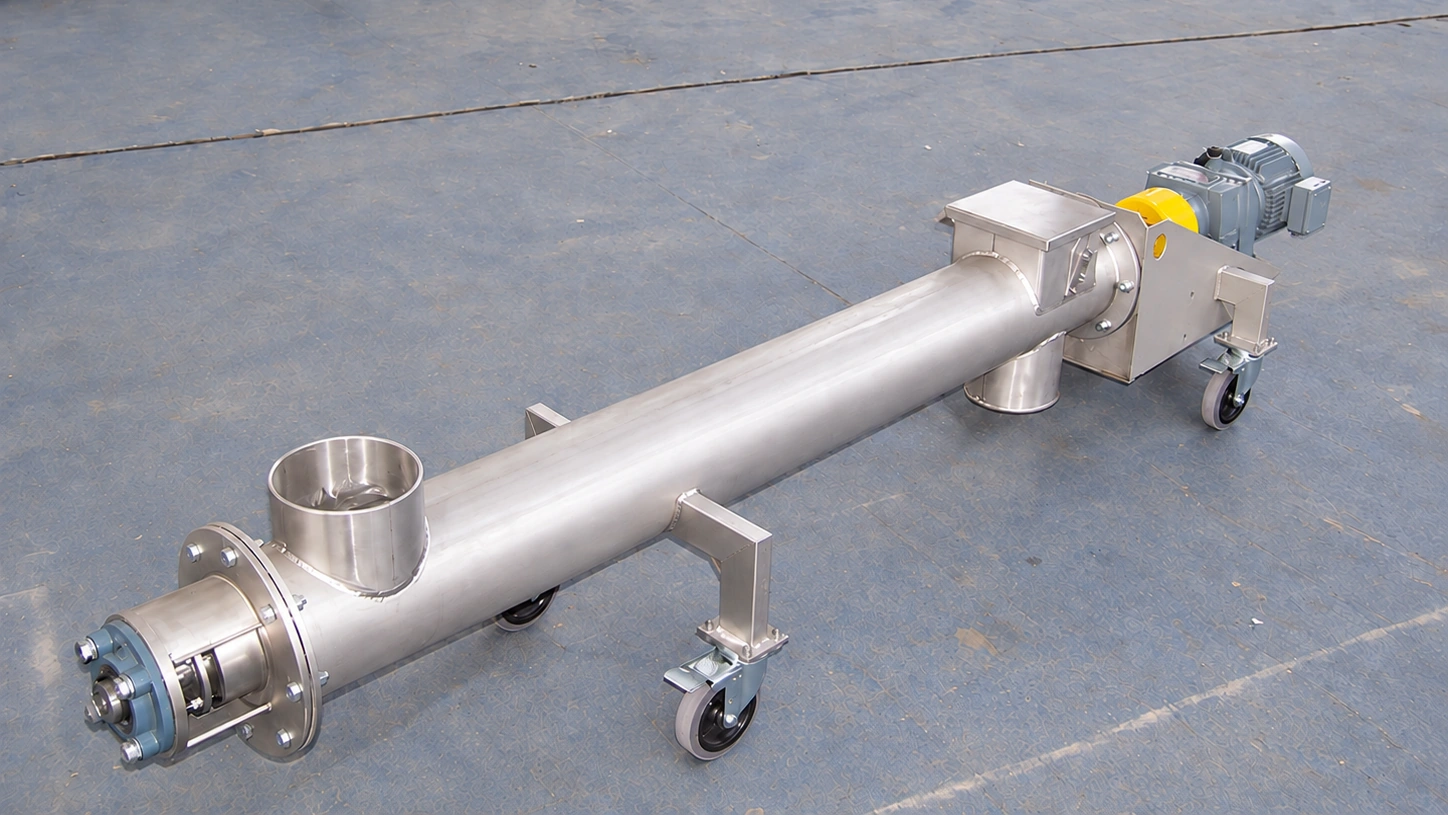
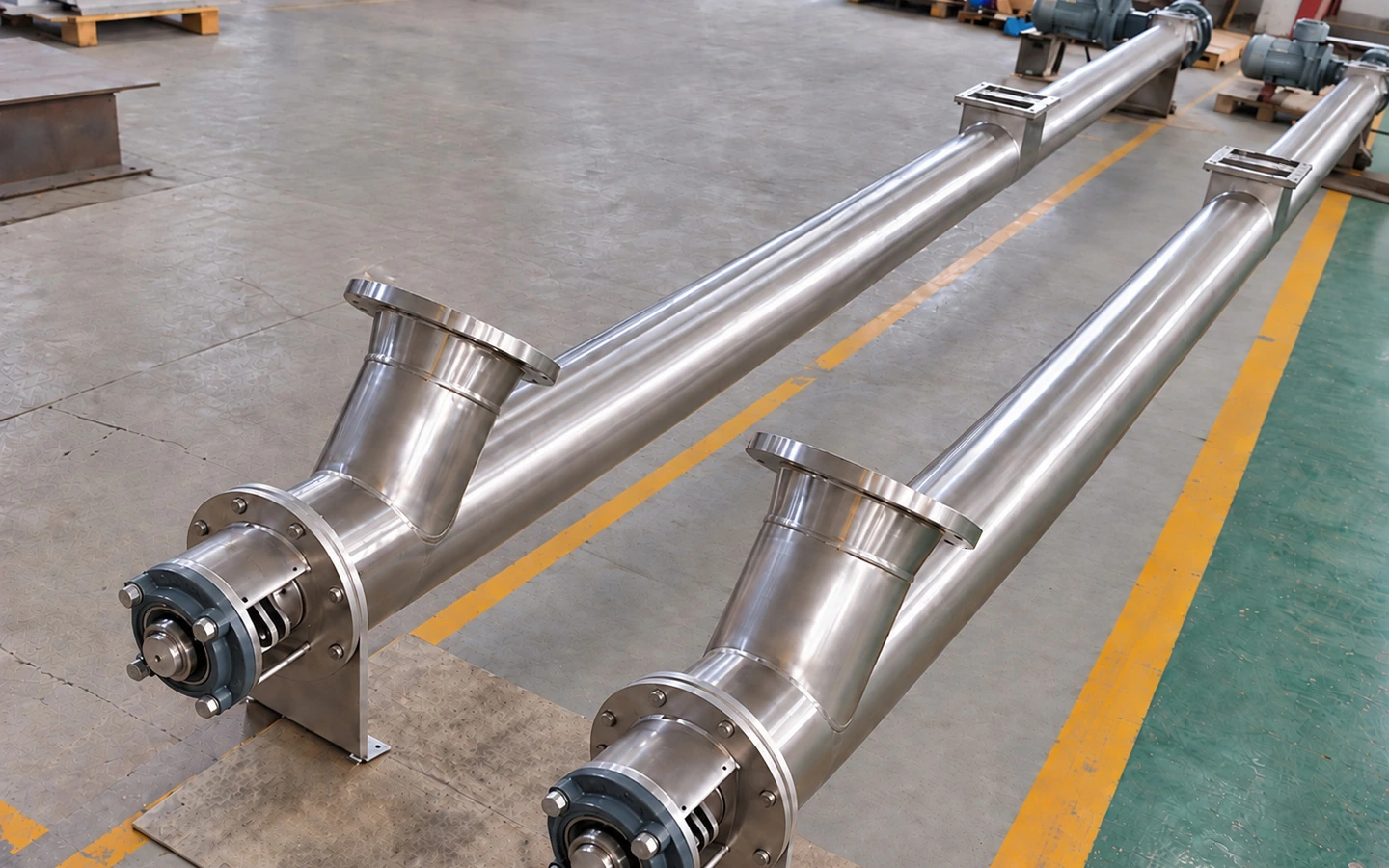
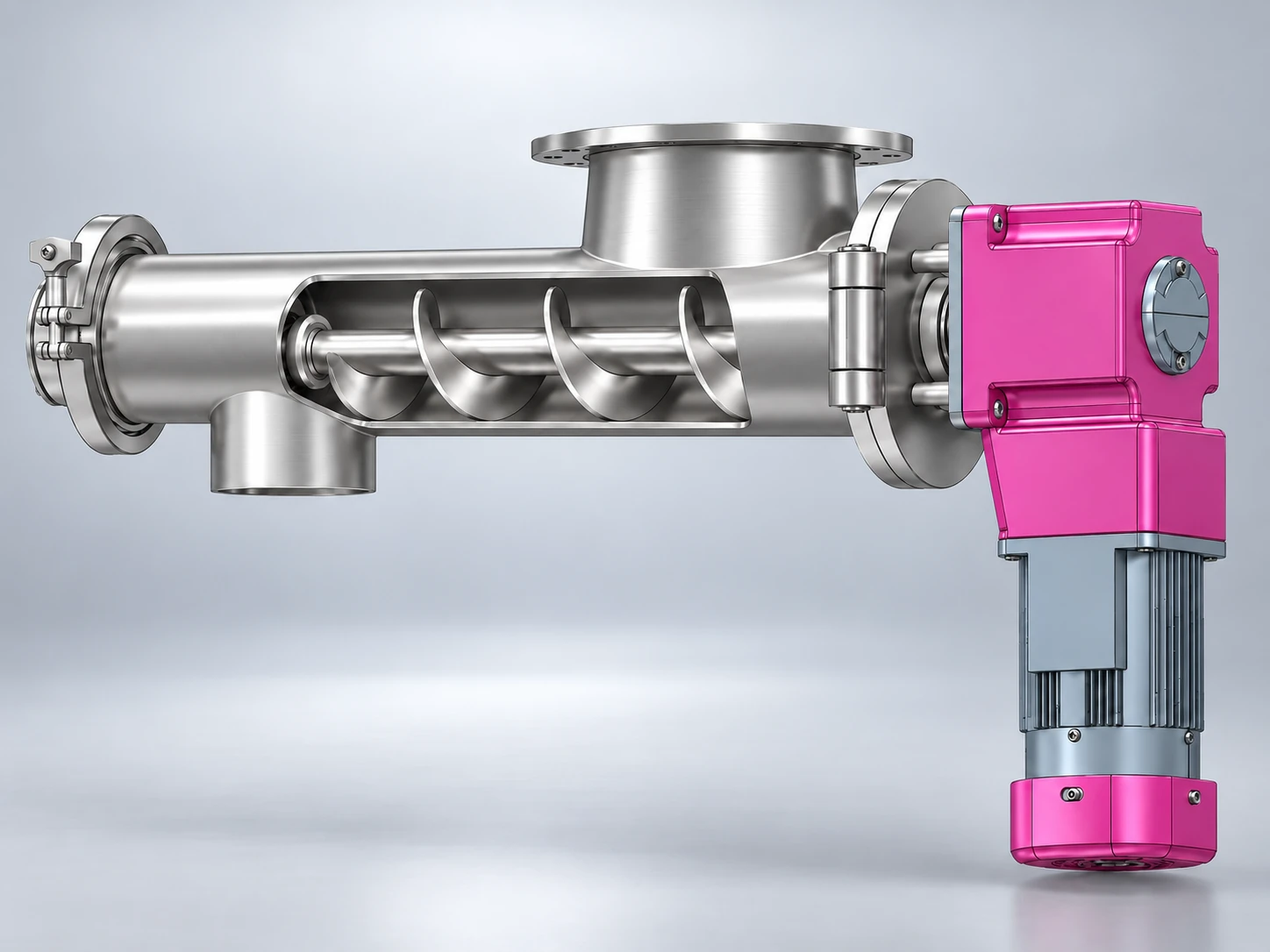
A fully enclosed screw conveyor with a tubular casing for contained transfer of powders and granular materials, suited to compact layouts and applications where material exposure should be minimized.

Tubular Screw Conveyor
Tubular Screw Conveyor working principle
Understand the Configuration

How It Works

A tubular screw conveyor moves bulk material through a cylindrical casing as the screw rotates. The tube forms an enclosed conveying path between the inlet and discharge, keeping the material within a compact, defined route. Because the screw operates inside a fixed tube, alignment and running clearance matter throughout the conveyor. Tube concentricity, screw support, inlet and discharge positions, end sealing and service access all need to work with the actual equipment layout.
01

Enclosed Path

The tubular casing keeps the conveying route enclosed between the inlet and discharge.

02

Screw Assembly

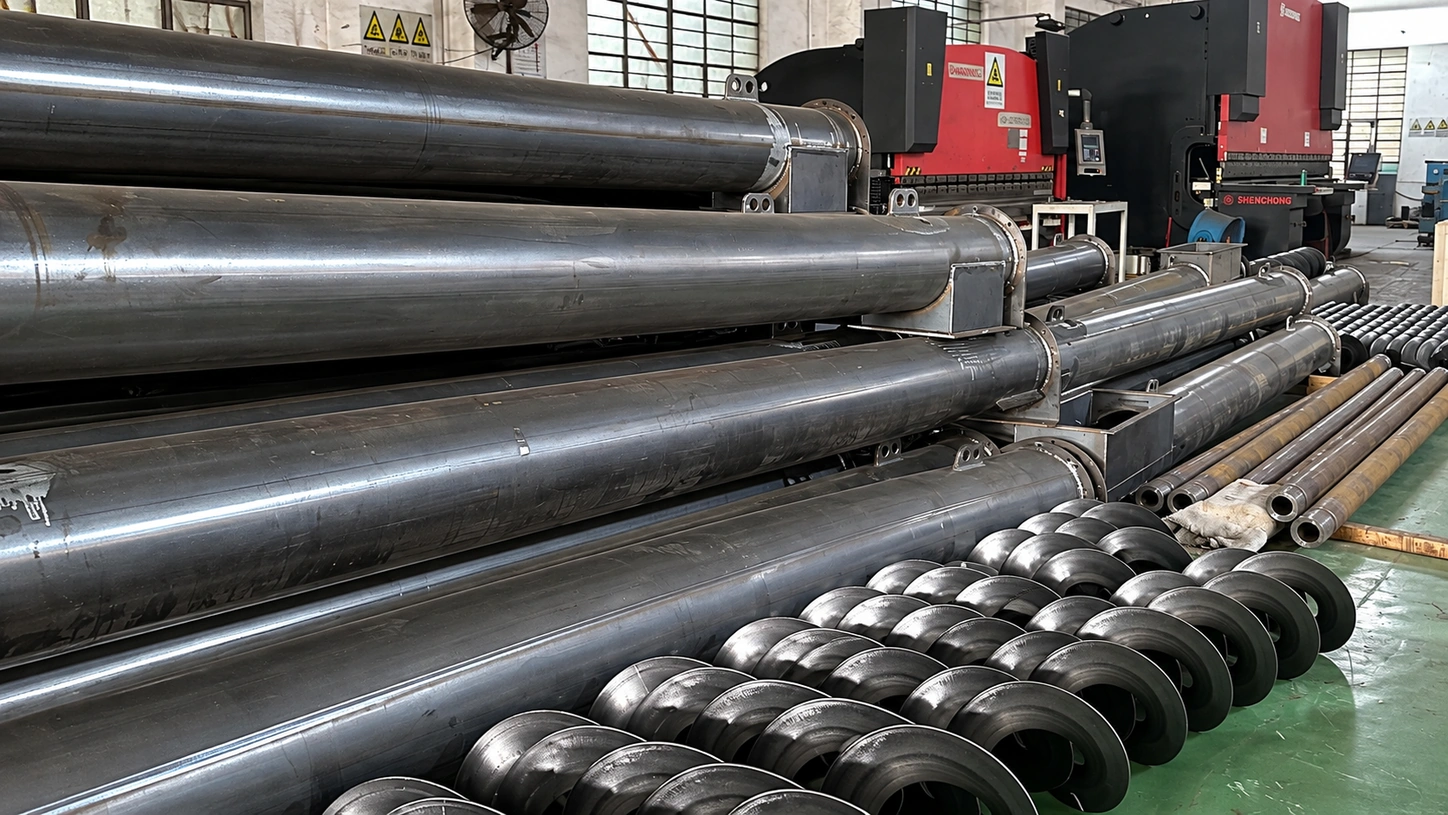
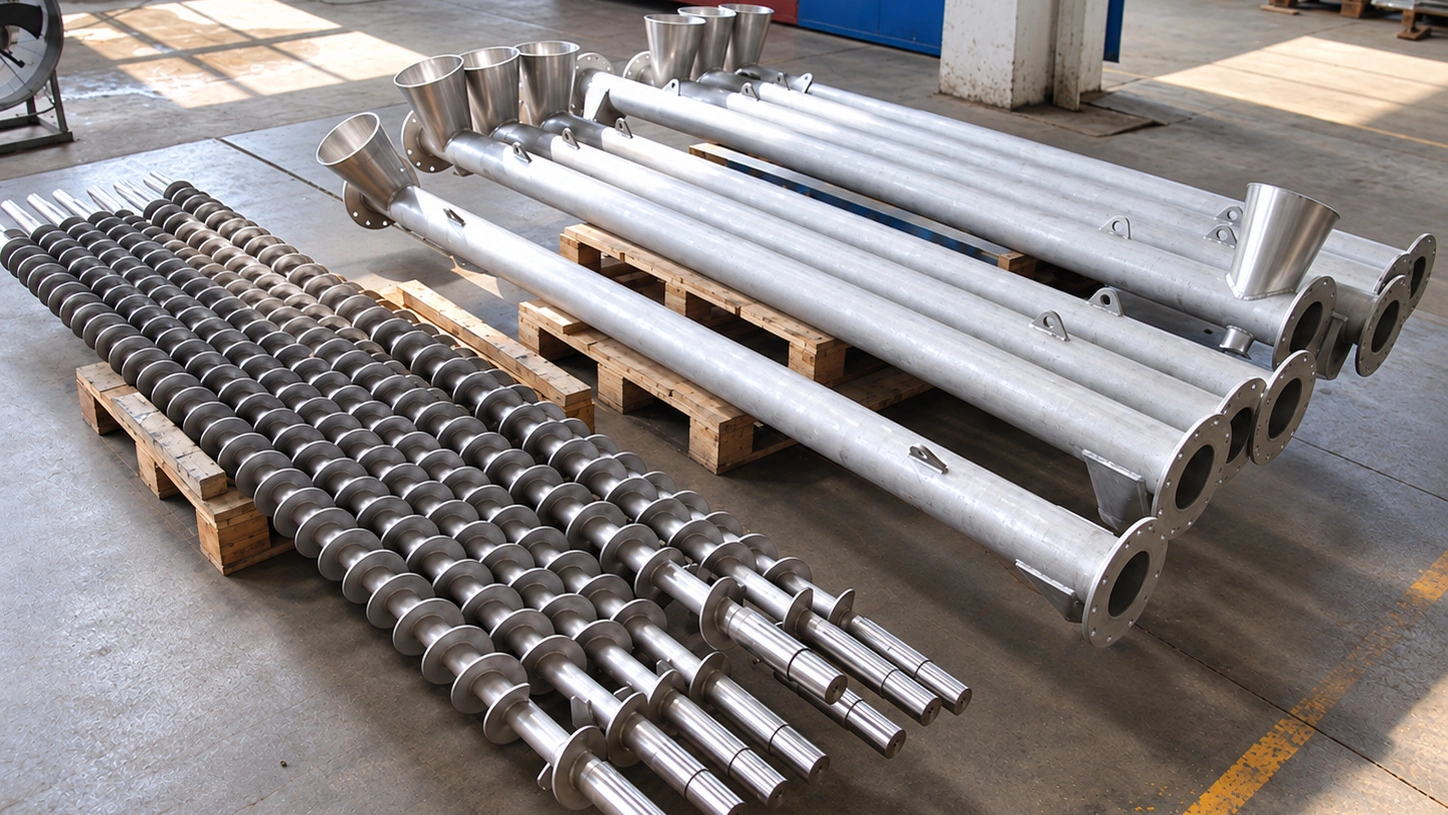
The rotating screw moves material through the enclosed tube, with flight geometry configured around the material and conveying duty.

03

Planned Access

Inspection and service points are positioned where the enclosed casing would otherwise limit access.

Choose Around Your Application

Your Options

These are the main configuration decisions. Material, capacity, layout and operating conditions determine which combination fits the application.

01

Flight Design

Flight geometry is selected according to material behavior and the degree of material disturbance required during conveying.

Compare Choices
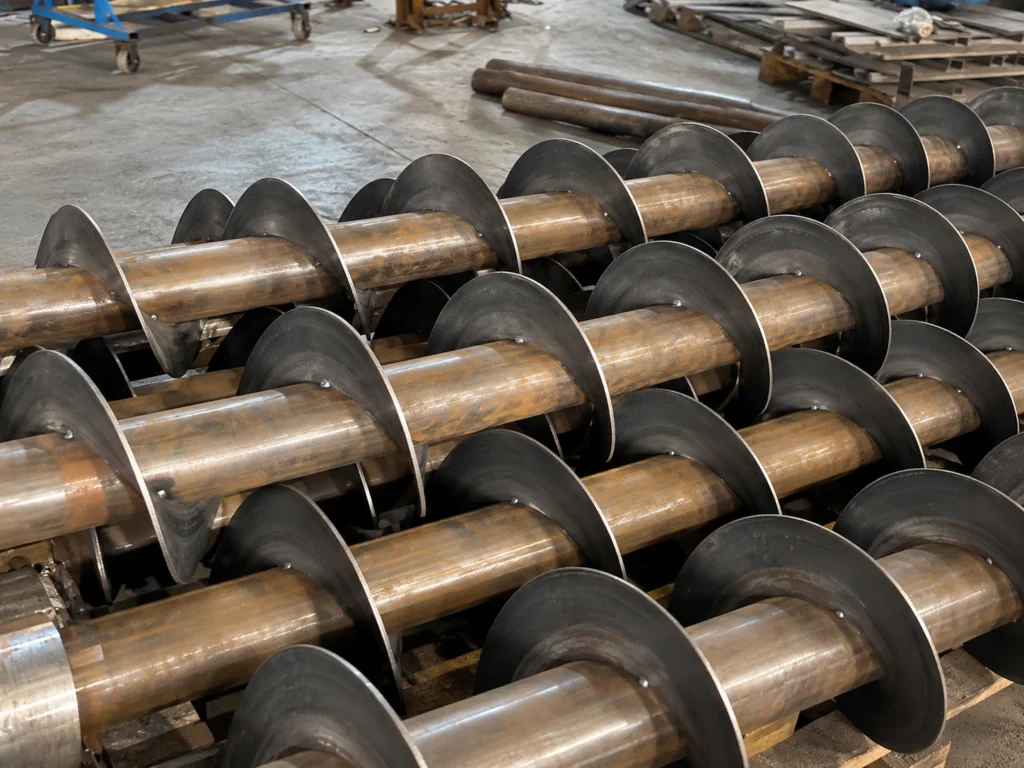
Standard Flight

Continuous full-flight construction for conventional conveying duties where no additional cutting or agitation effect is required.

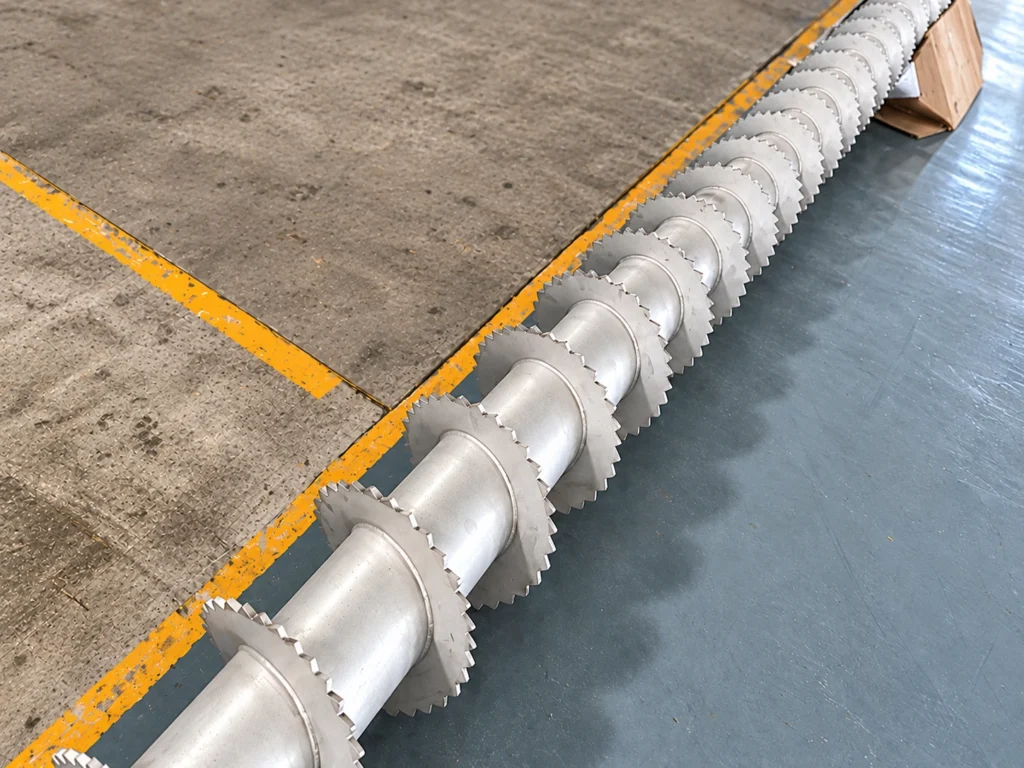
Serrated Flight

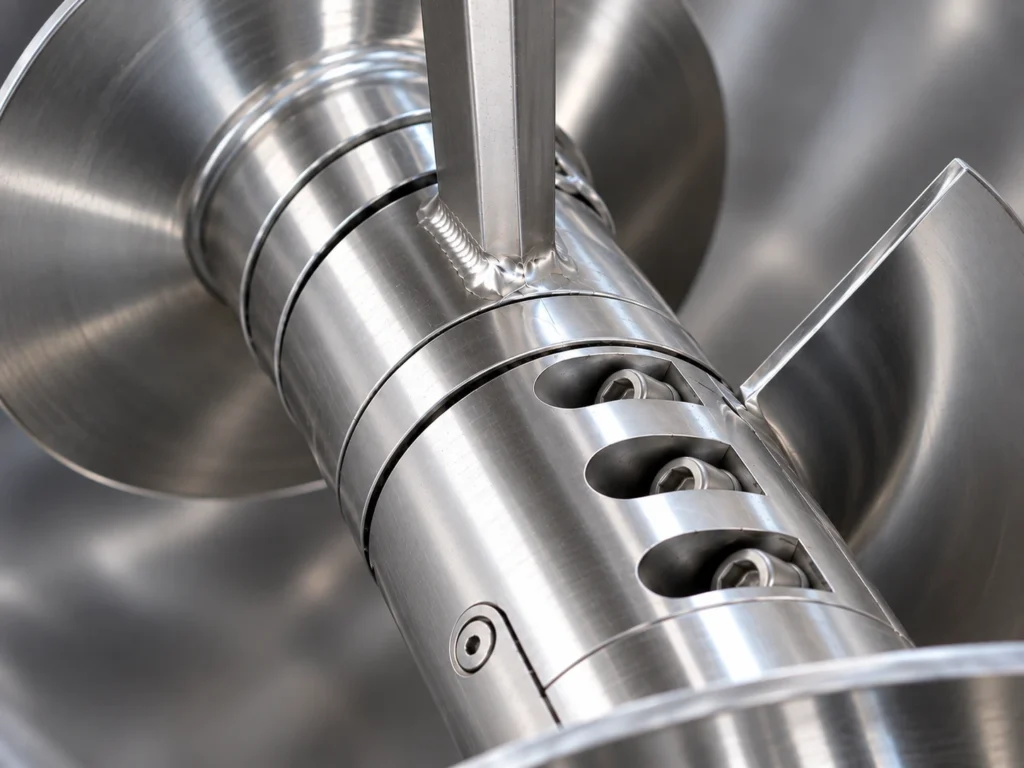
Serrated flight edges are used where additional material disturbance or limited cutting action is required during conveying.
02

Shaft Support

Shaft support is selected according to conveyor length, shaft span, alignment requirements, and maintenance access.

Compare Choices
End-Supported Shaft

The screw shaft is supported at the conveyor ends, keeping the conveying path free of intermediate bearing components.

Intermediate Hanger Bearings

Intermediate support is added where shaft length or deflection requires additional control, subject to material and maintenance considerations.

03

Access Design

Access provisions are positioned around inspection, maintenance, and cleaning needs while preserving the enclosed conveyor structure.

Compare Choices
Inspection Hatch

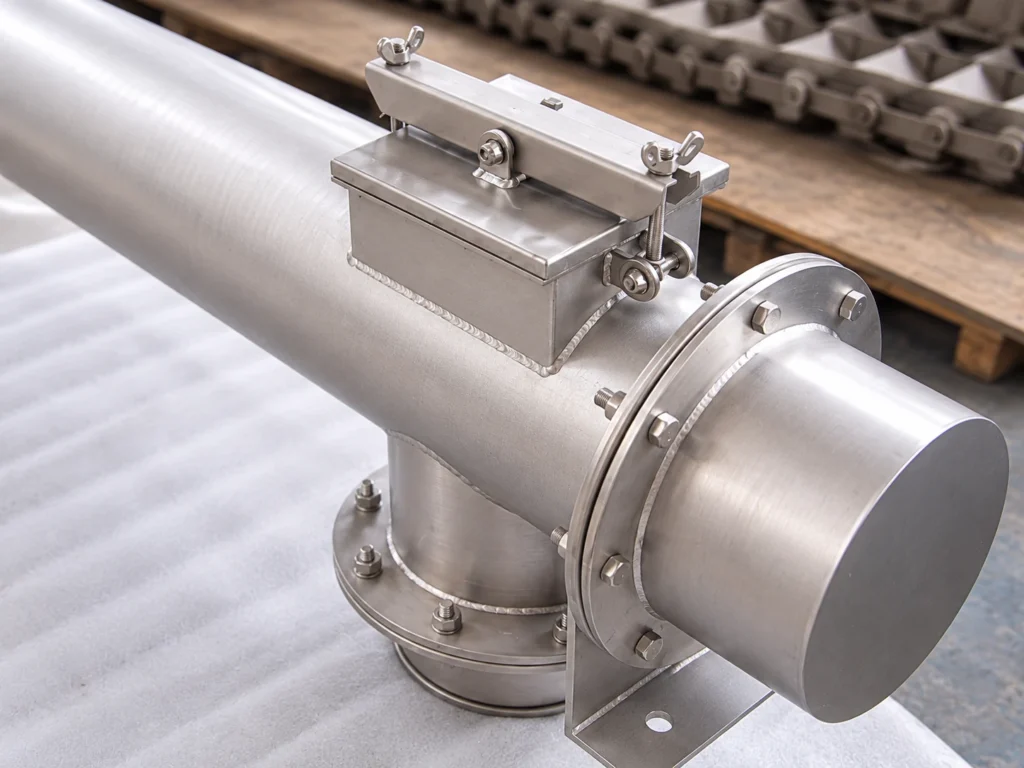
Provides localized access for checking internal components and material condition at selected points along the conveyor.

Removable Access

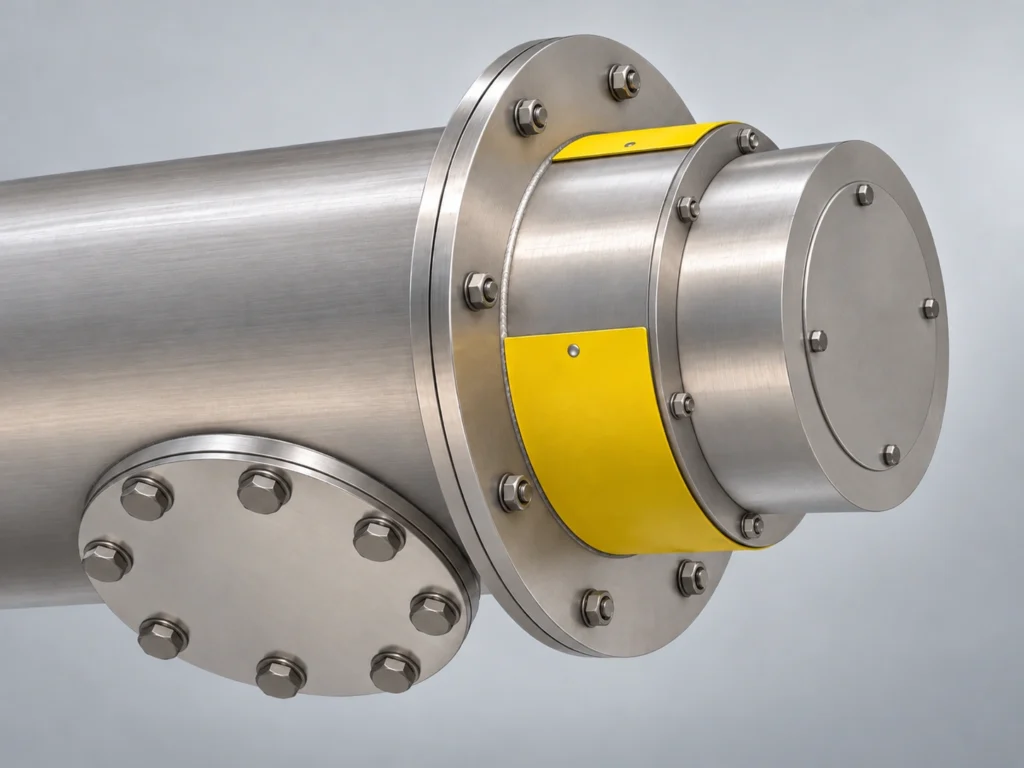
Allows a larger opening where more extensive internal access is required for maintenance or cleaning.

04

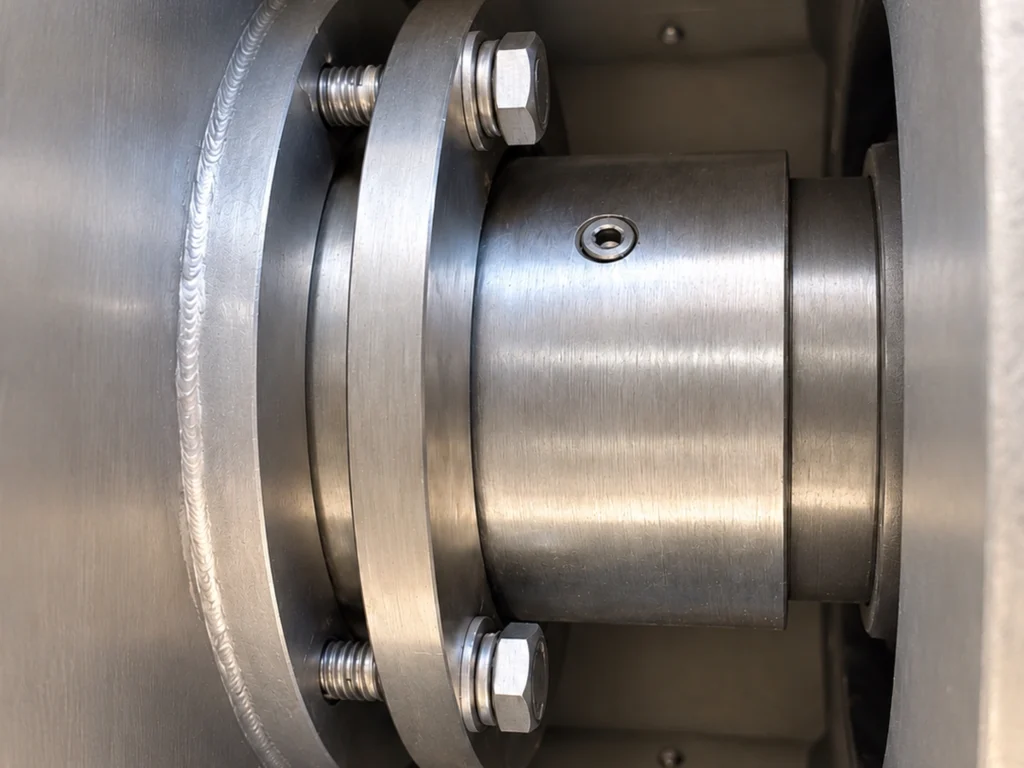
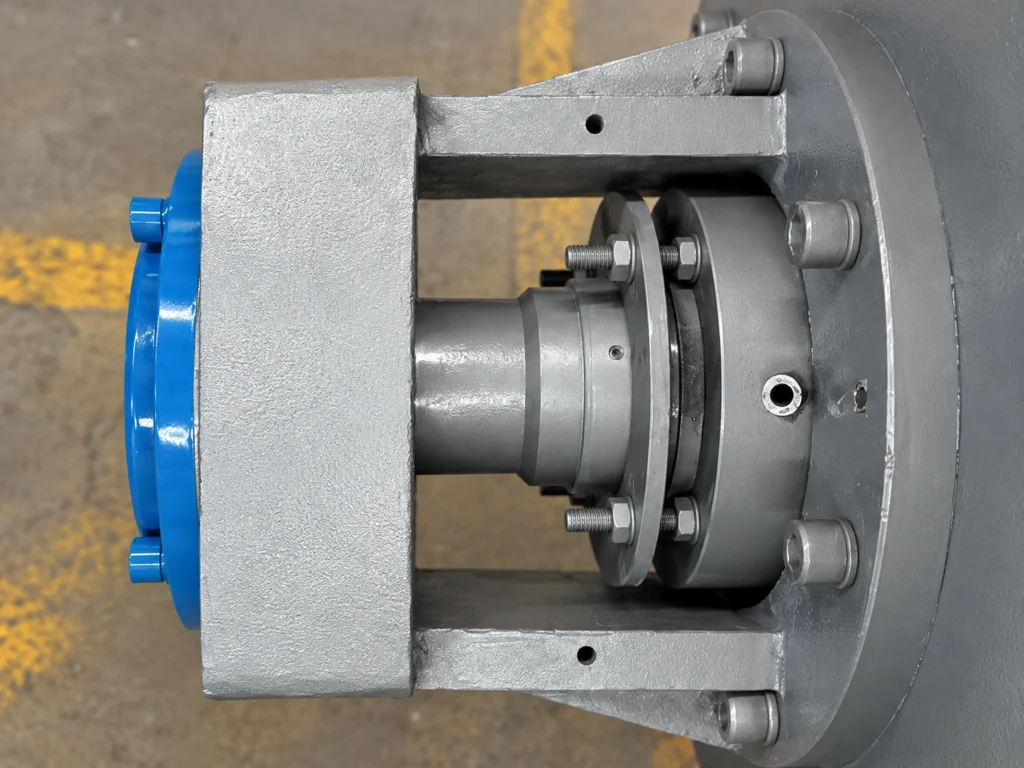
Shaft Sealing

Shaft sealing is selected according to material fineness, dust containment requirements, and the operating conditions around the conveyor ends.

Compare Choices
Packing Seal

A serviceable sealing arrangement suited to general bulk-material handling where periodic adjustment and maintenance are acceptable.

Air-Purged Seal

Introduces a positive air barrier at the shaft penetration where finer powders require greater control of dust and material leakage.

05

Drive Arrangement

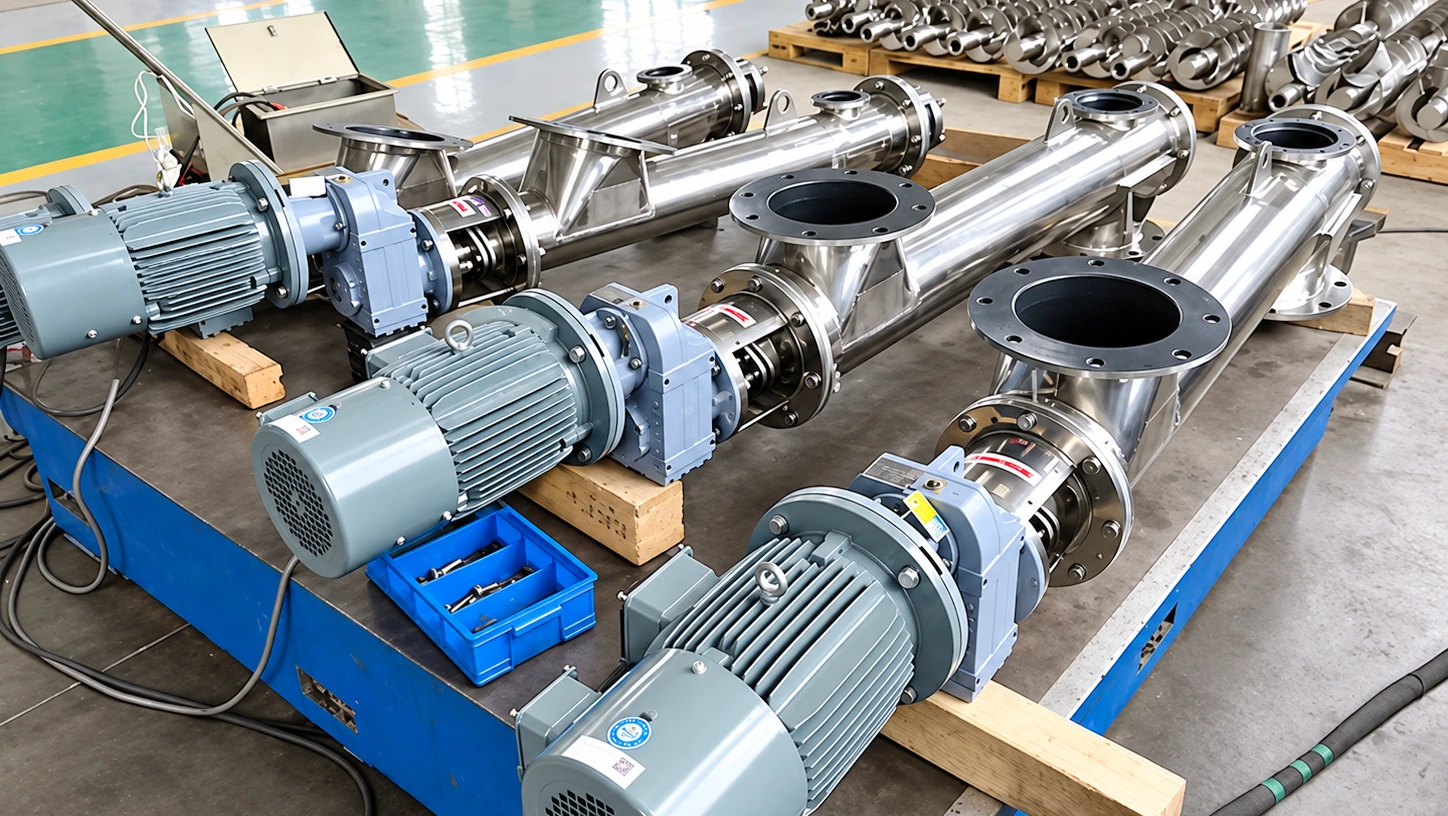
Compact direct-mounted drives are standard, with alternative arrangements available where layout or service requirements call for them.

Compare Choices
Direct-Mounted Gearmotor

Compact, coaxial arrangement with the gearmotor mounted directly at the conveyor end.

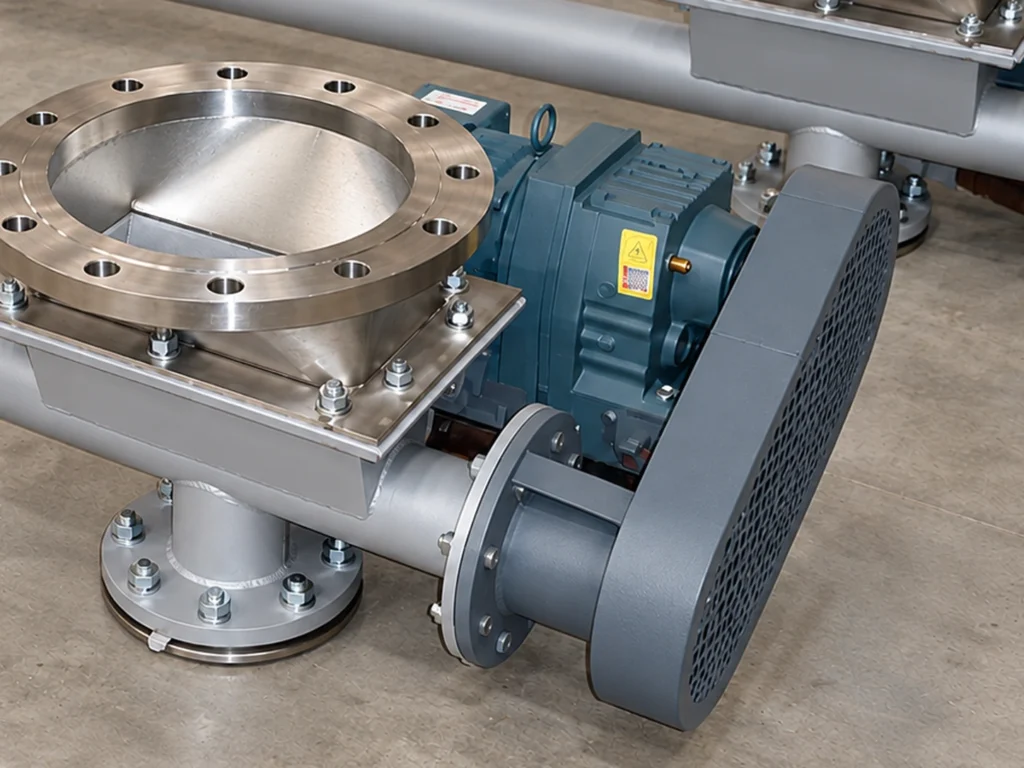
Flexible Drive

Separates the drive unit from the screw shaft where installation layout or service access requires additional flexibility.

06

Construction Material

Material selection is matched to the conveyed product, surrounding environment and required corrosion resistance.

Compare Choices
Carbon Steel

A practical choice for general-duty dry bulk handling where corrosion resistance is not a primary requirement.

Stainless Steel

A corrosion-resistant construction option for applications with stricter product-contact or environmental requirements.

Technical Inquiry

Start Here

Tell us what you are moving and what the process needs to achieve. We will review the application and follow up on the technical details that matter.

Material: What are you conveying?
Capacity: What throughput do you need?
Layout: Approximate length, inclination or known connection points.
Project Details: Add anything that may affect the application.
Attachments: Share with us docs like drawing, photos, flow chart if available.

Prefer a quick conversation?

Message us on WhatsApp

Project Details

No commitment required. We evaluate application feasibility first.

We will review the application before recommending a conveyor configuration.