Built Around Your Process

Shaftless Screw Conveyor

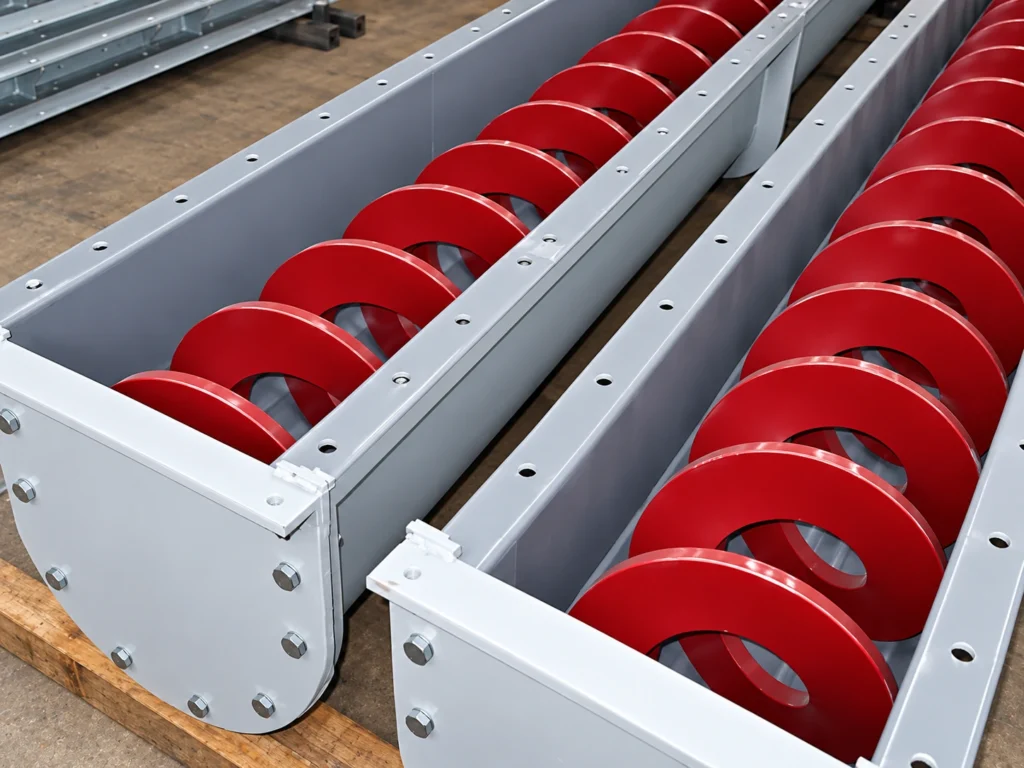
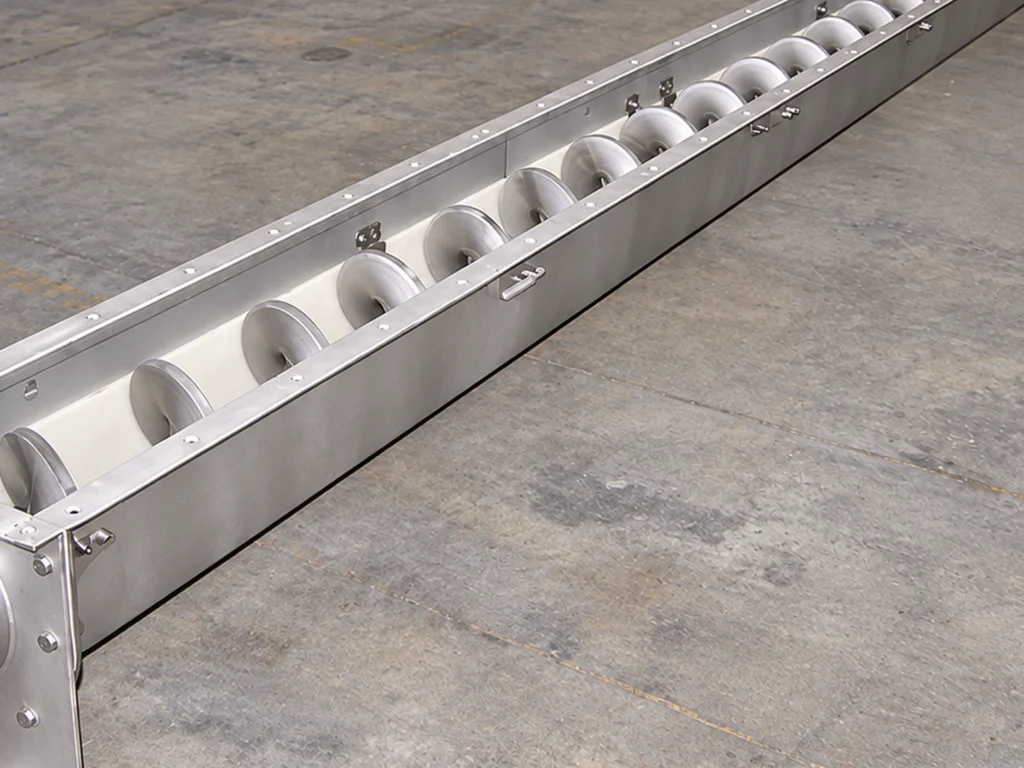
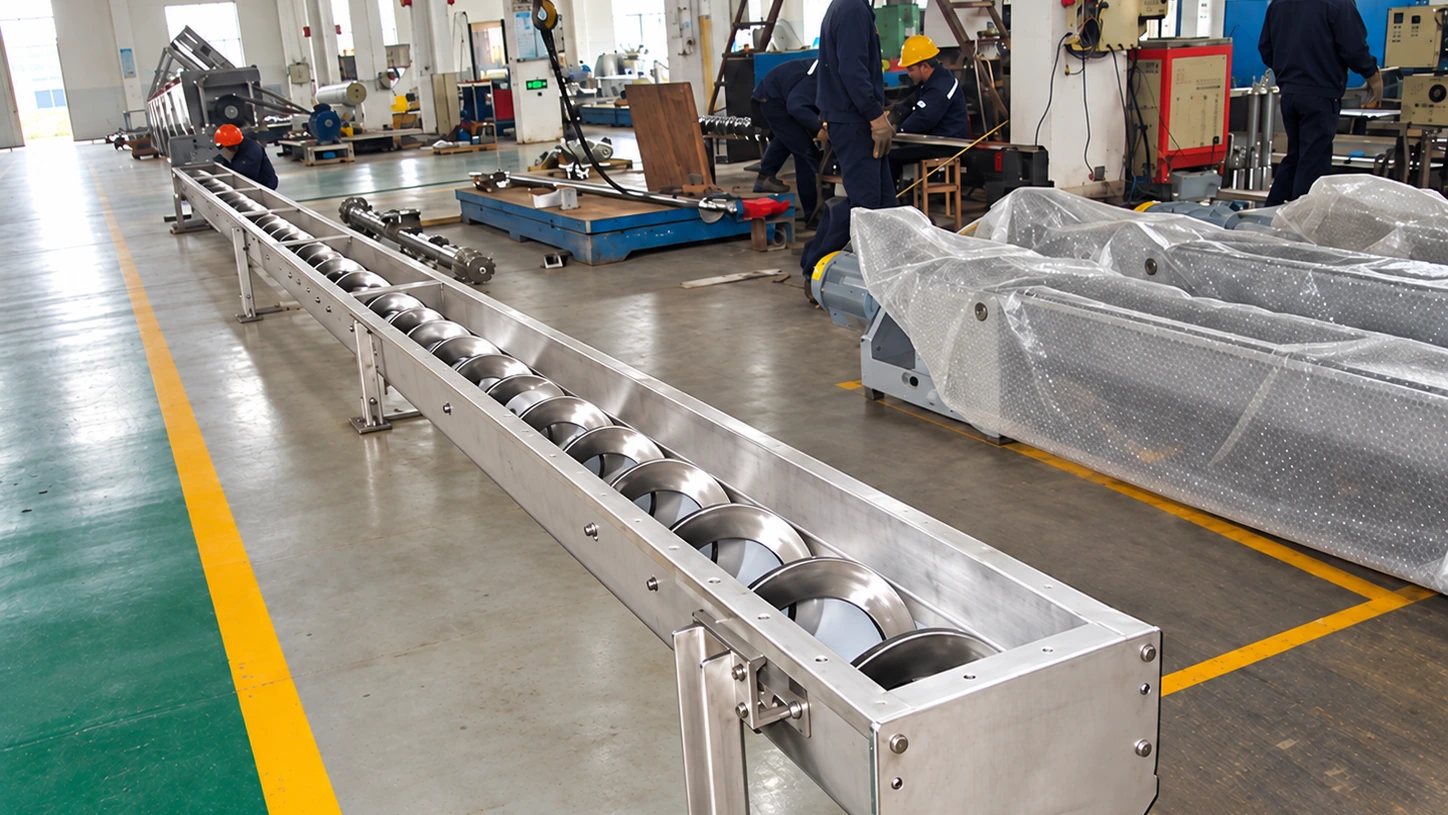
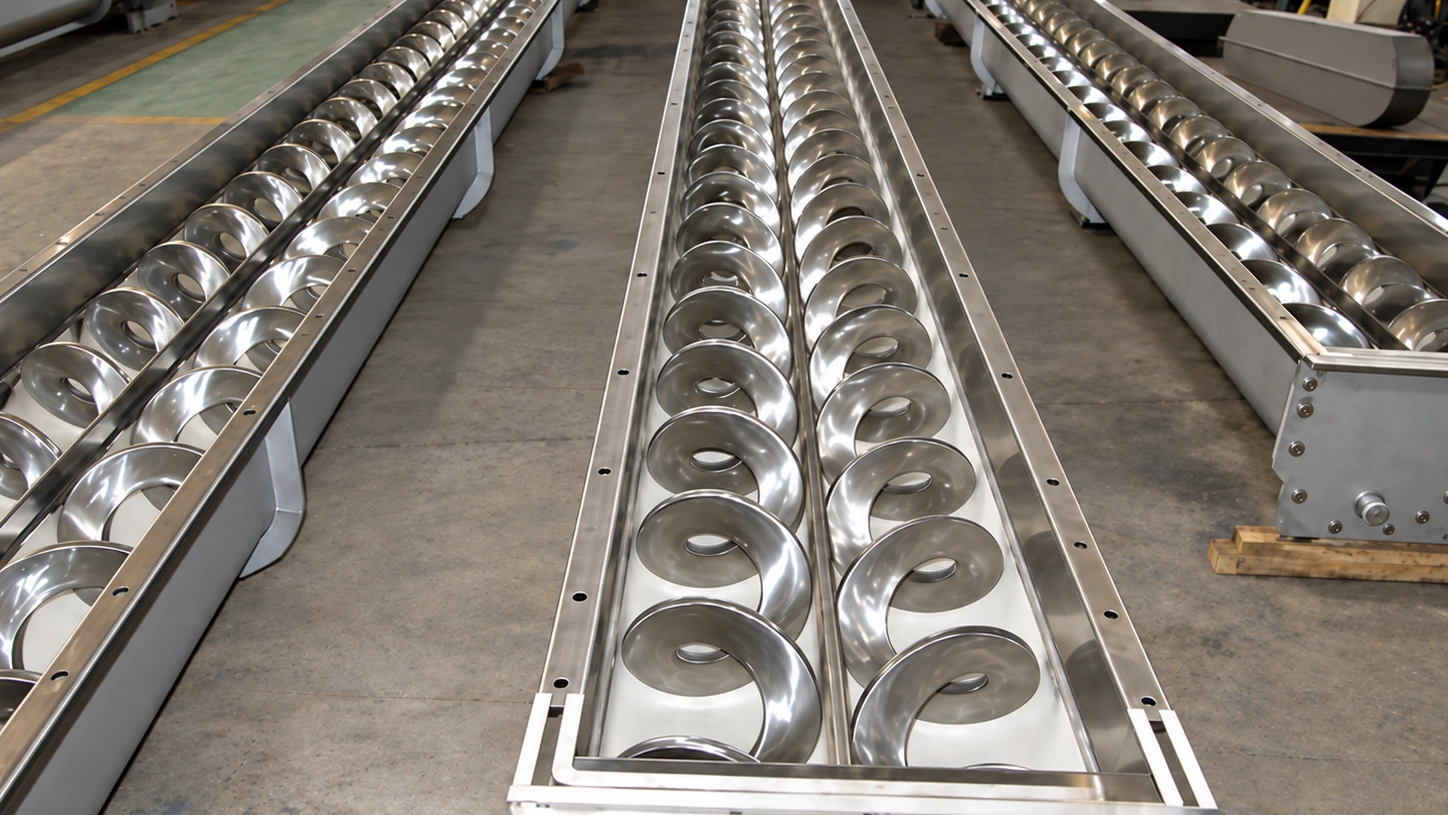
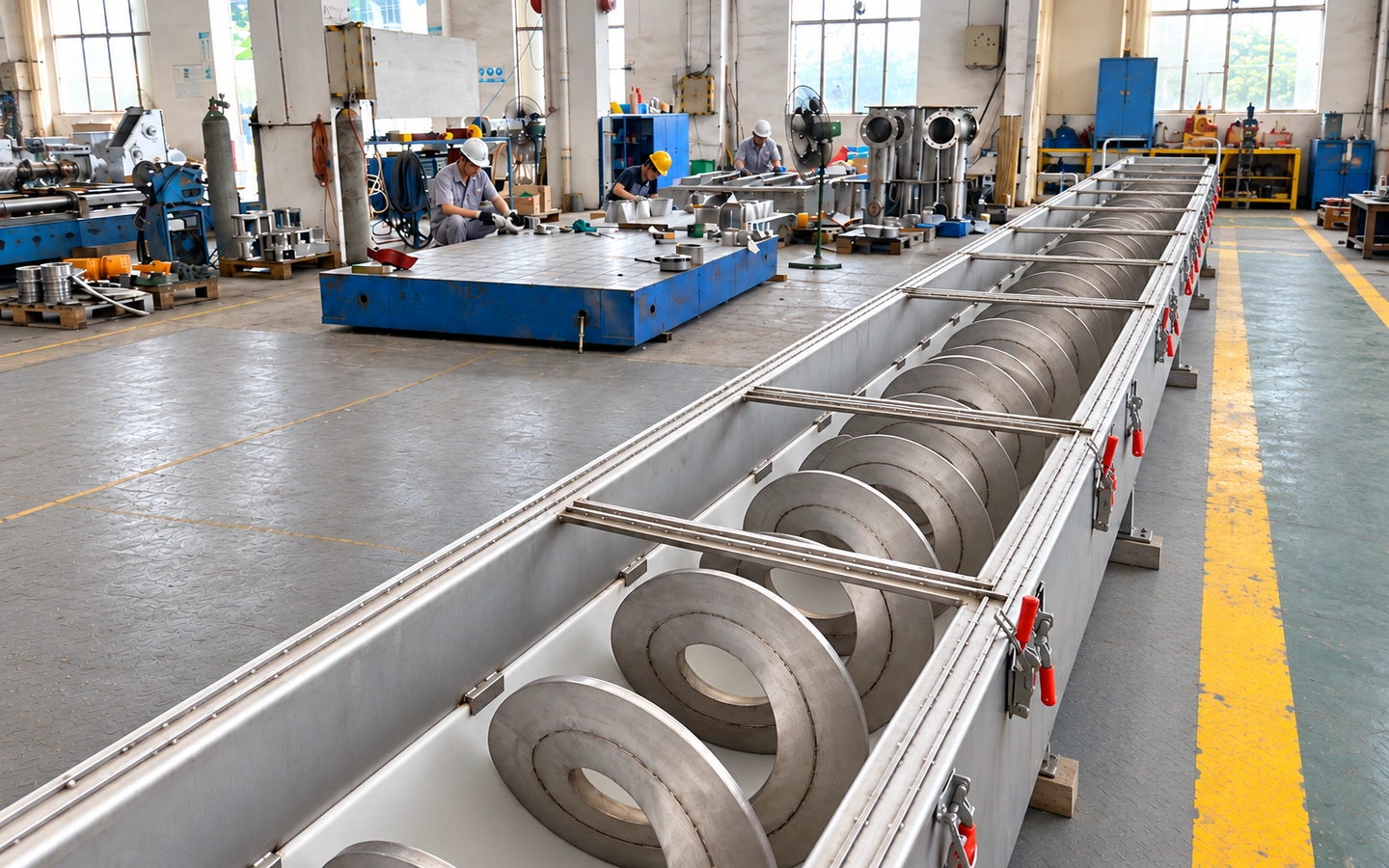
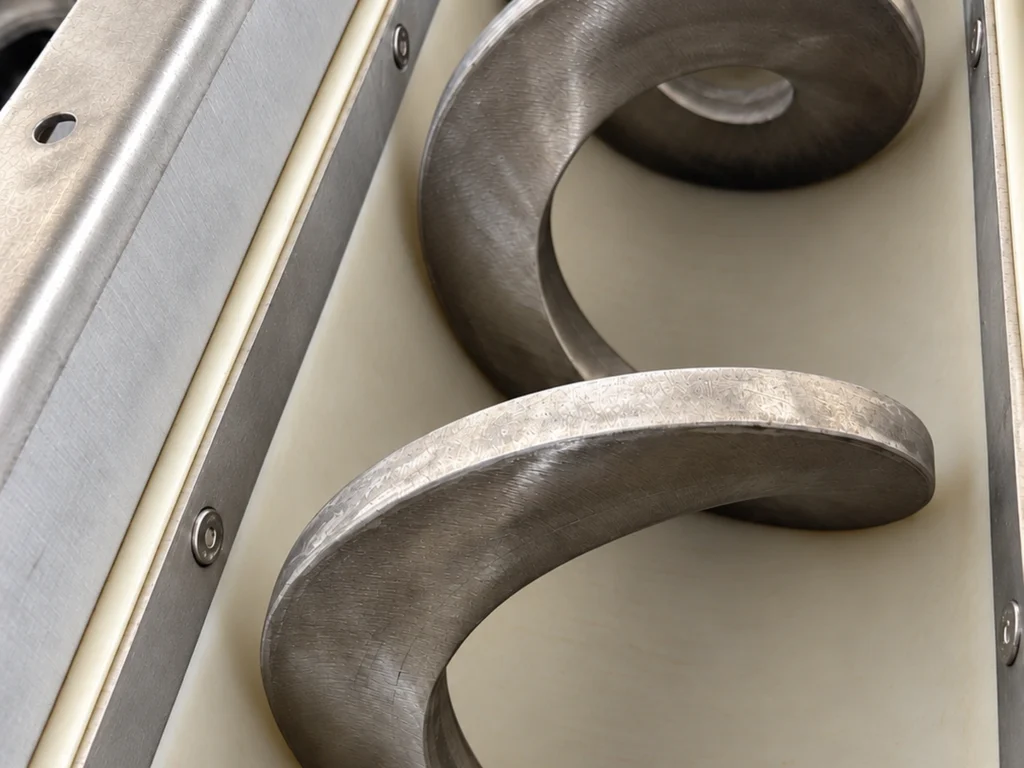
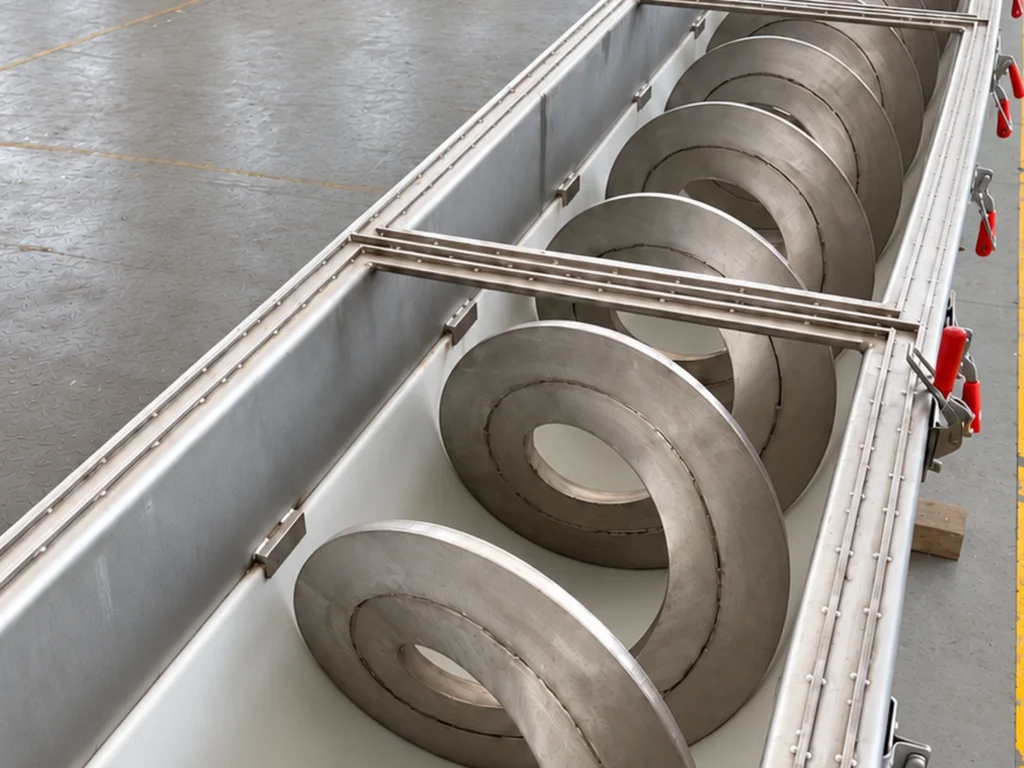
An open-center shaftless spiral runs on a wear liner, reducing internal obstructions in applications where a central shaft or hanger bearings are undesirable.

Shaftless Screw Conveyor
Shaftless Screw Conveyor working principle
Understand the Configuration

How It Works

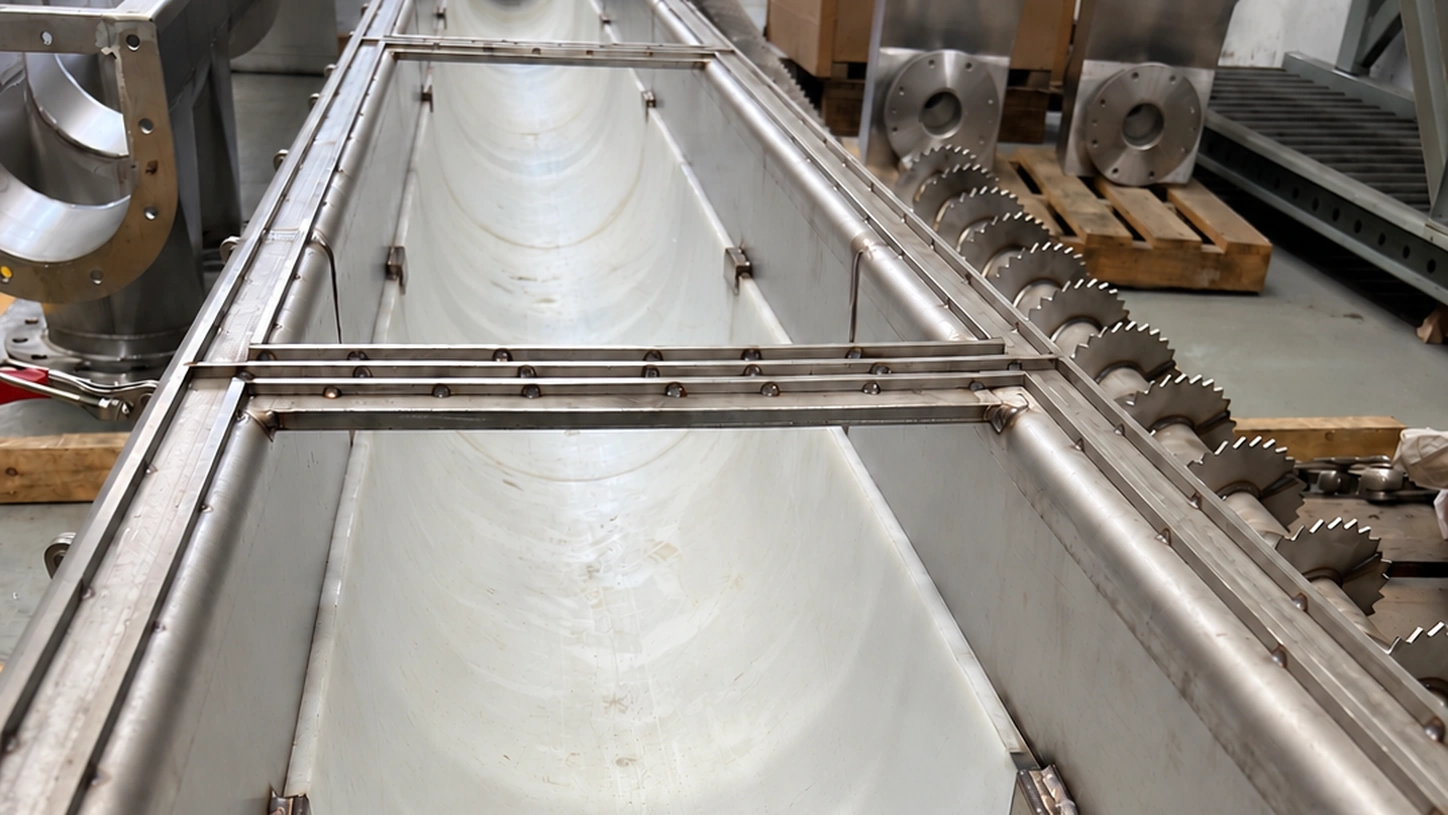
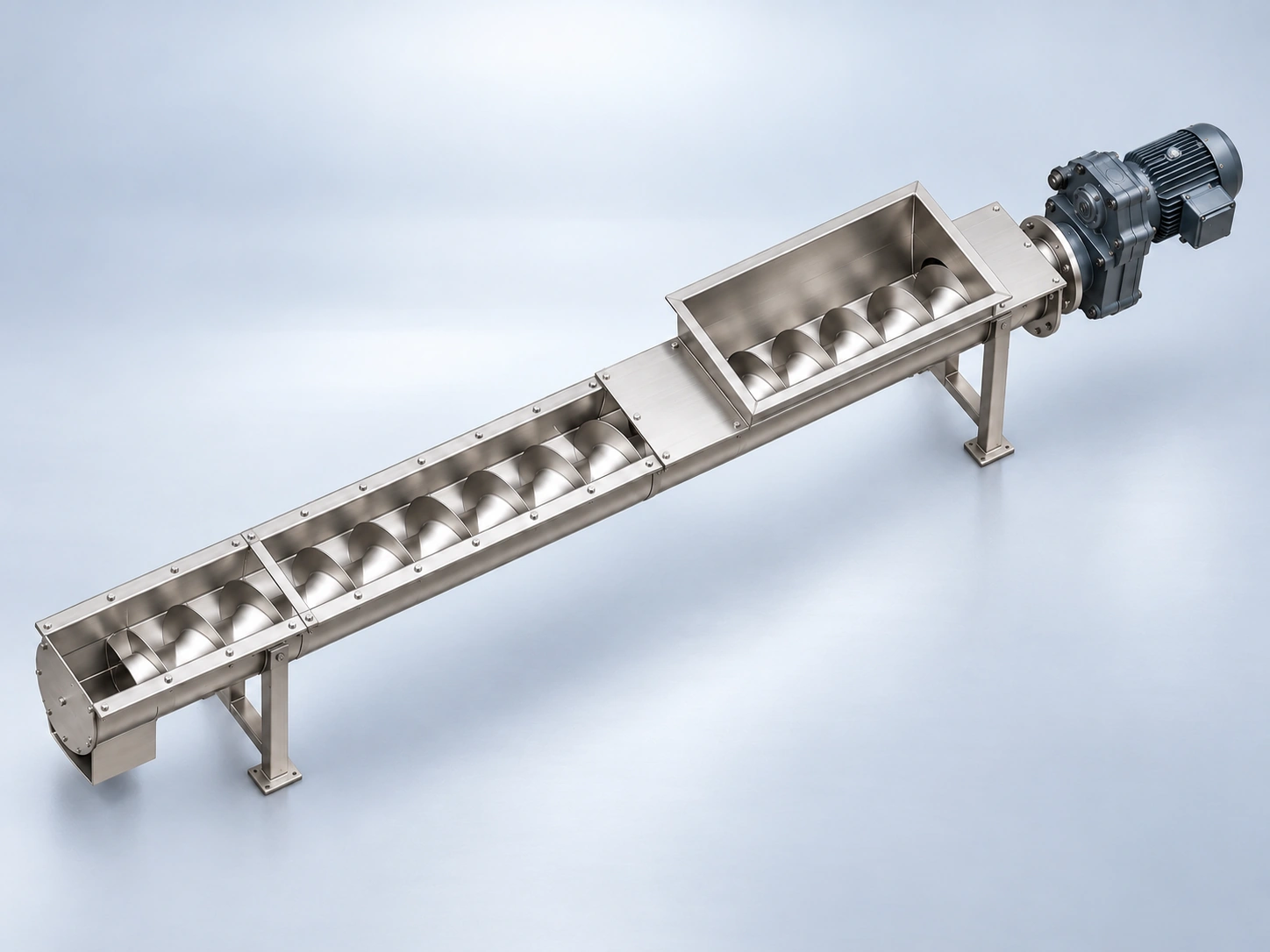
A shaftless screw conveyor moves bulk material with a rotating spiral that has no central shaft. The spiral runs inside a lined trough, advancing material from the inlet toward the discharge while leaving the center of the conveying path unobstructed. Without a center shaft or intermediate hanger bearings, spiral strength, liner support, drive torque, trough geometry, and wear interfaces must be considered as one system. Final configuration depends on material behavior, required capacity, conveyor length, layout, and operating duty.
01

Shaftless Spiral

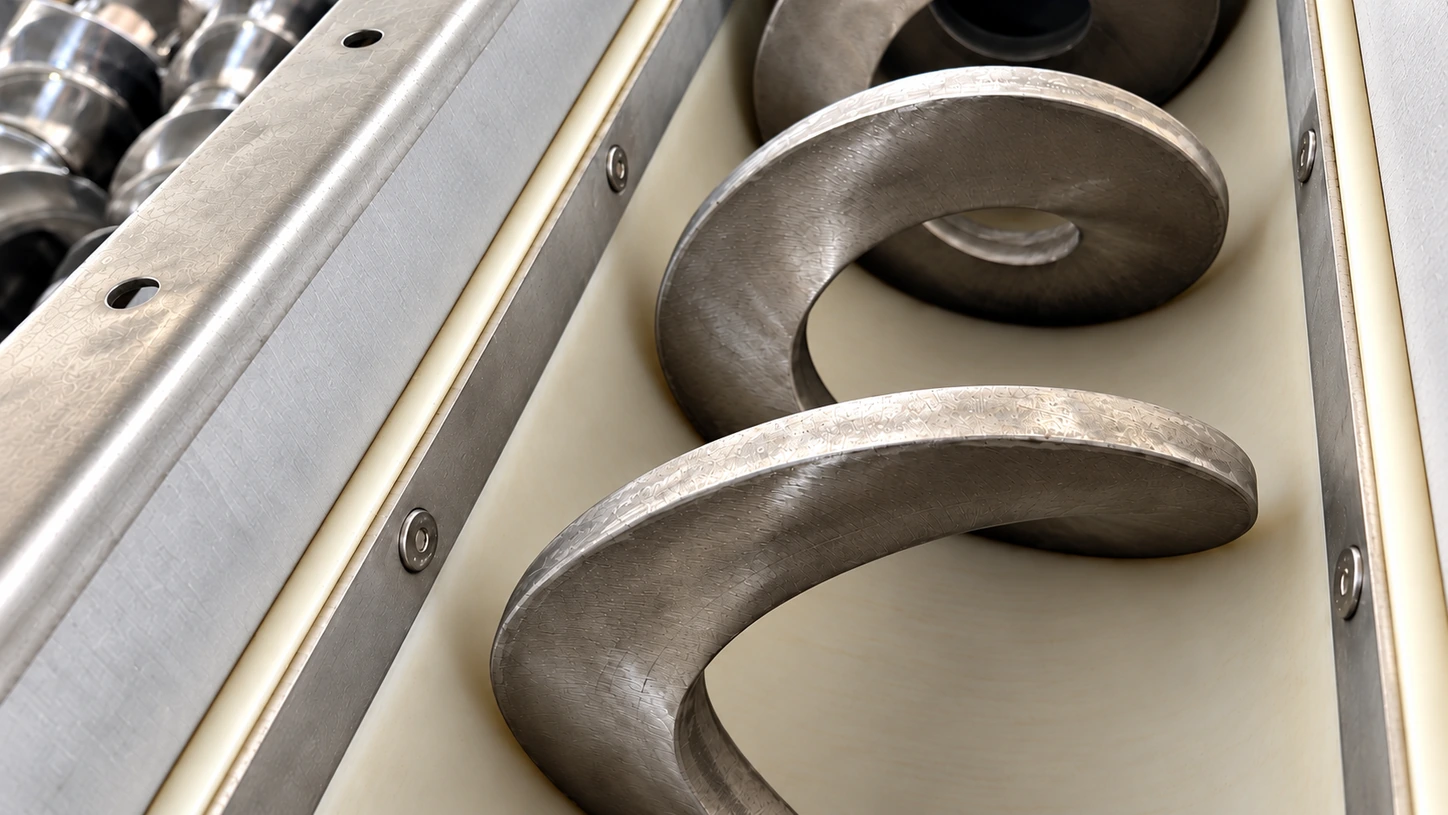
The rotating spiral advances material without a central shaft running through the conveying path.

02

Open Material Path

Eliminating the center shaft and intermediate hanger bearings reduces internal obstructions where wrapping or build-up may be a concern.

03

Wear Interface

The spiral runs on a wear liner, making liner selection, friction, wear, and maintenance access part of the conveyor design.

Choose Around Your Application

Your Options

These are the main configuration decisions. Material, capacity, layout and operating conditions determine which combination fits the application.

01

Spiral Configuration

The shaftless spiral carries both the conveying load and transmitted torque. Spiral construction is selected according to material behavior, conveyor length, capacity, and starting torque.

Compare Choices
Standard Shaftless Spiral

A single spiral construction is used where the required torque and mechanical load can be carried without additional reinforcement.

Reinforced Shaftless Spiral

Additional spiral reinforcement increases torsional stiffness and load-carrying capacity for higher-torque or more demanding duties.
02

Wear Liner System

Because the shaftless spiral runs directly on the liner, the liner acts as both the support surface and the primary wear interface. Selection depends on friction, abrasion, temperature, and maintenance requirements.

Compare Choices
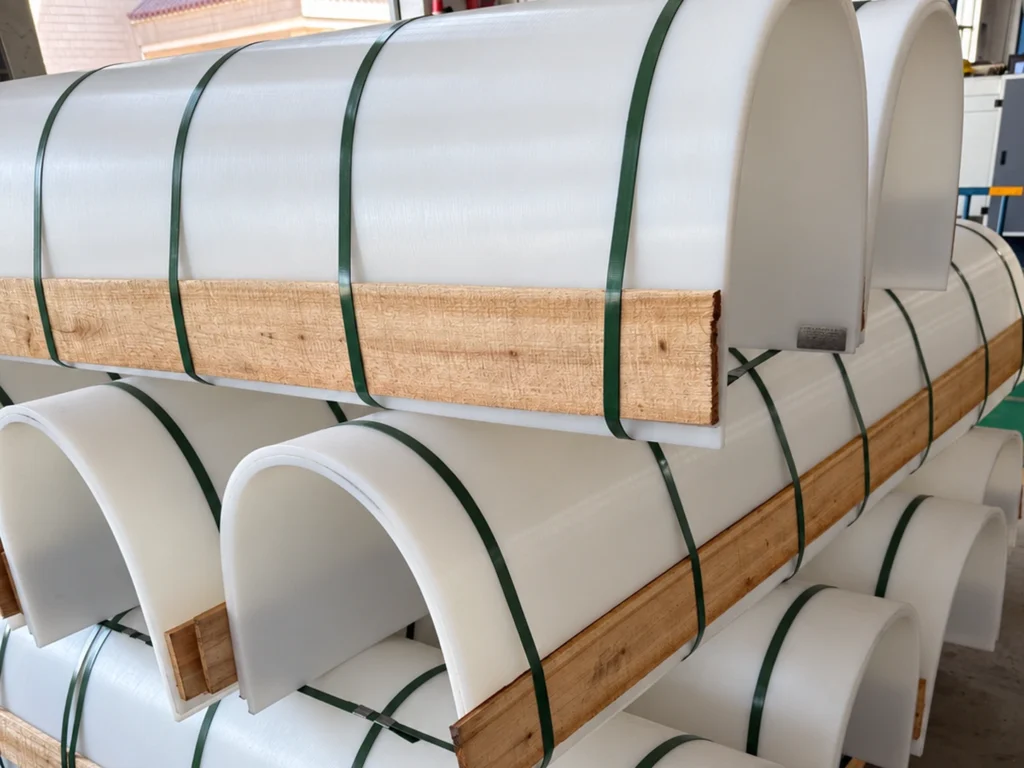
Replaceable Polymer Liner

A replaceable polymer liner provides a low-friction bearing surface for the rotating spiral and simplifies wear-part replacement.

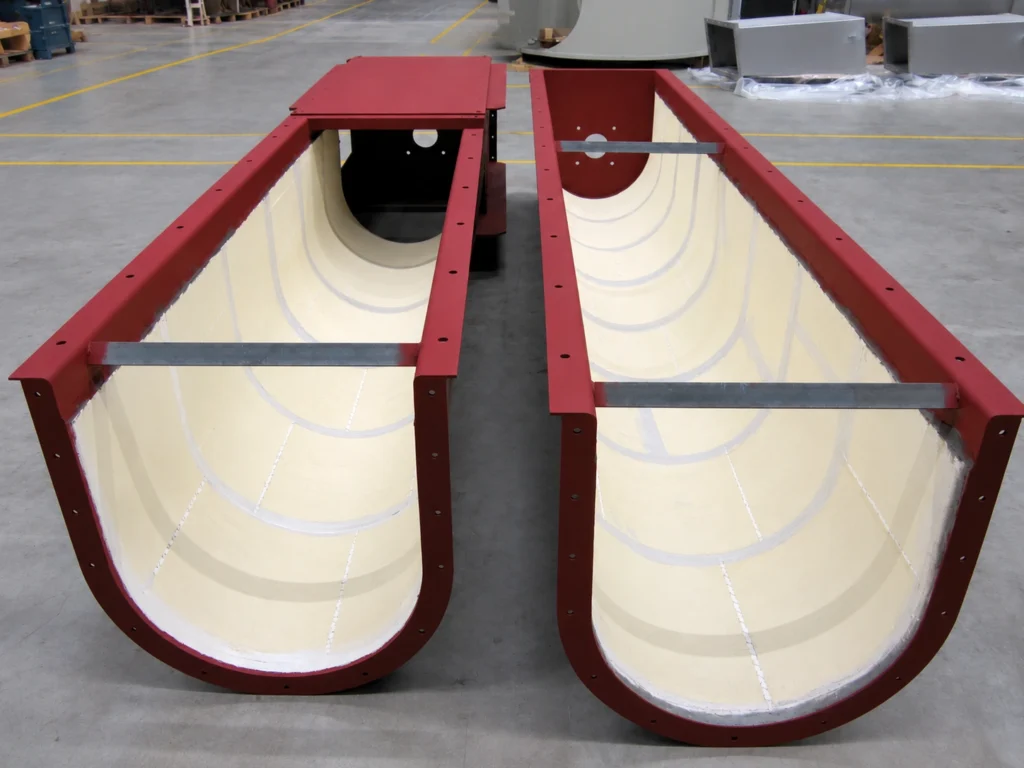
Ceramic Wear Lining

Ceramic lining can be used in high-wear areas where abrasive materials require greater resistance to surface wear.

03

Drive & Torque

Because drive torque is transmitted directly into the shaftless spiral, the drive arrangement is selected around starting torque, spiral load, operating speed, installation space, and service access.

Compare Choices
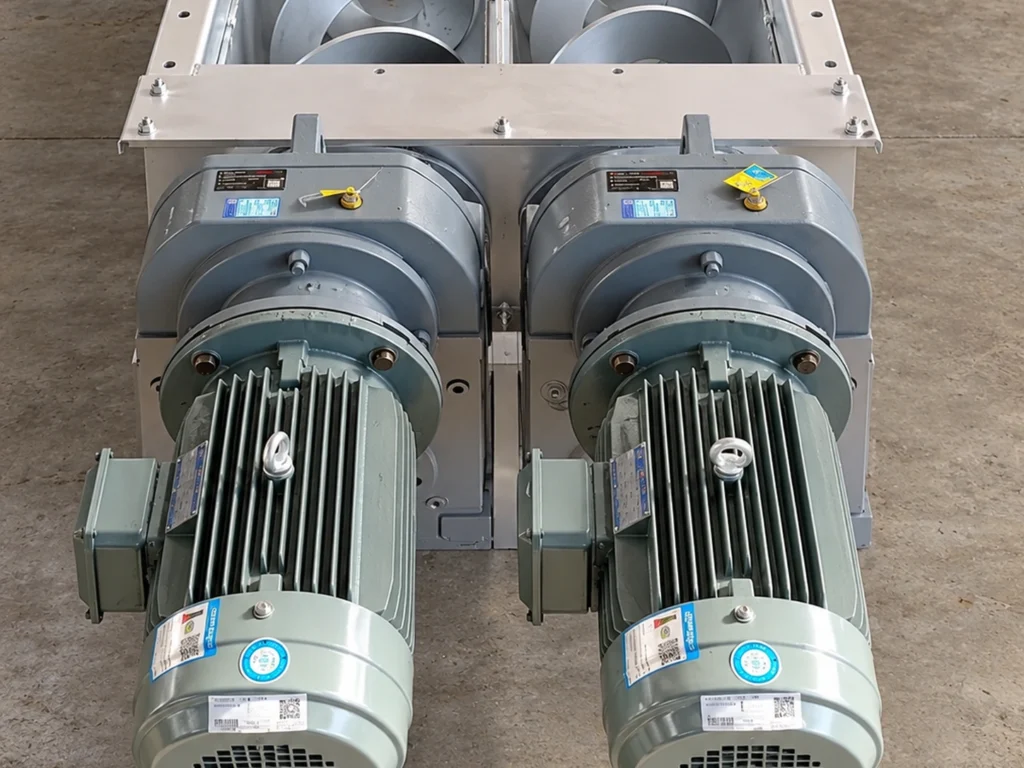
Direct Drive

The gearbox is aligned with the conveyor drive shaft for a compact arrangement and direct torque transmission.

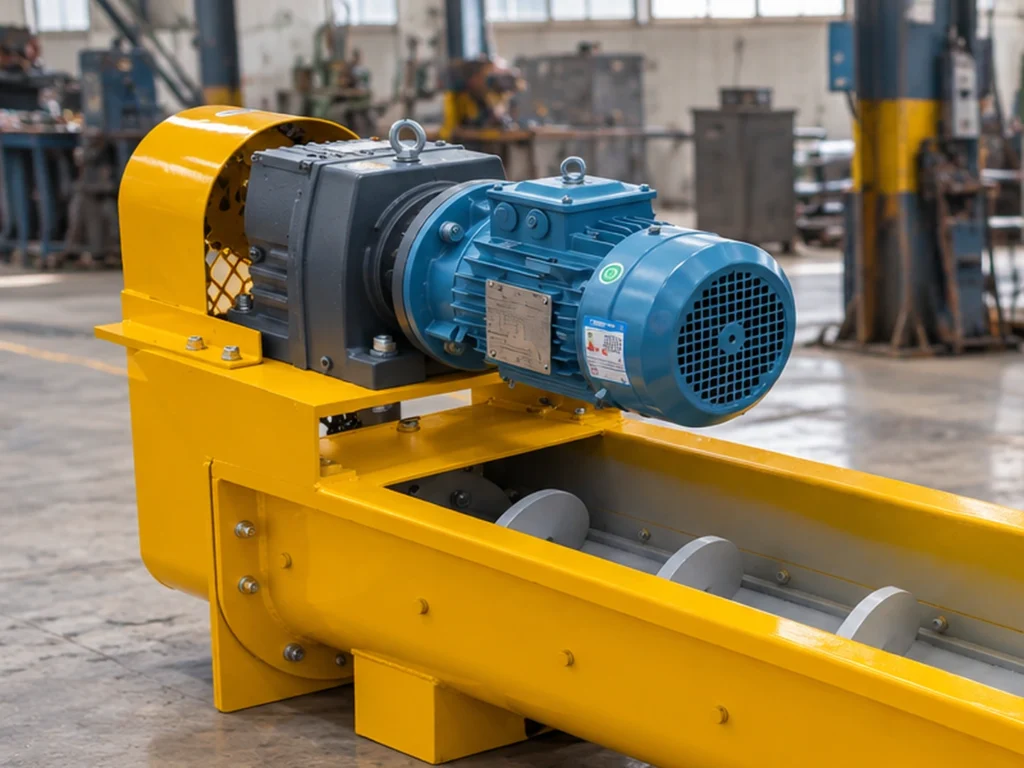
Chain Drive

An offset drive transmits torque through a guarded chain system where installation layout or service access favors a separated drive position.

04

Construction Material

Construction materials are selected according to the conveyed material, corrosion exposure, abrasion, and product-contact requirements.

Compare Choices
Carbon Steel

Carbon steel is used where material compatibility and operating conditions do not require additional corrosion resistance.

Stainless Steel

Stainless steel is selected where corrosion resistance or product-contact requirements favor stainless construction.

Technical Inquiry

Start Here

Tell us what you are moving and what the process needs to achieve. We will review the application and follow up on the technical details that matter.

Material: What are you conveying?
Capacity: What throughput do you need?
Layout: Approximate length, inclination or known connection points.
Project Details: Add anything that may affect the application.
Attachments: Share with us docs like drawing, photos, flow chart if available.

Prefer a quick conversation?

Message us on WhatsApp

Project Details

No commitment required. We evaluate application feasibility first.

We will review the application before recommending a conveyor configuration.