Biomass & Waste
Biomass and waste materials can be low-density, fibrous, irregular or prone to bridging, creating inconsistent feed and difficult conveying conditions. Screw conveyor design should reflect the actual material behavior, required capacity, feed conditions and maintenance needs.
What Matters
Material behavior, process conditions and plant priorities shape the conveyor decisions that matter here.
Biomass and waste streams can vary significantly in bulk density, particle shape, moisture content and consistency. Wood residues, fibrous materials, shredded waste and mixed process solids may bridge, interlock, compact or feed unevenly, especially when the material condition changes over time.
These variations affect screw selection, trough or casing arrangement, inlet design, operating speed and the way material is introduced into the conveyor. Feed consistency, oversize pieces, stringy material, moisture variation and the possibility of buildup or wrapping should therefore be reviewed for the actual application.
Typical Materials
Representative materials help frame the duty. Final selection still depends on the actual product and handling behavior.
- Wood chips
- Sawdust
- Bark
- Agricultural residues
- Shredded biomass
- Mixed process waste
Bulk density, particle size, moisture content, fibrous character and feed consistency should be confirmed for the actual material.
What to Confirm
These details help narrow the equipment and design direction for your application.
- Material type, bulk density and particle-size range
- Moisture content and expected variation during operation
- Required capacity, conveying length, elevation and orientation
- Feed method, feed consistency and risk of bridging or surging
- Presence of fibrous, stringy or oversize material
- Buildup, wrapping, access and maintenance requirements
Recommended Equipment
Equipment types commonly relevant to this industry. Final selection depends on the material, duty and plant layout.
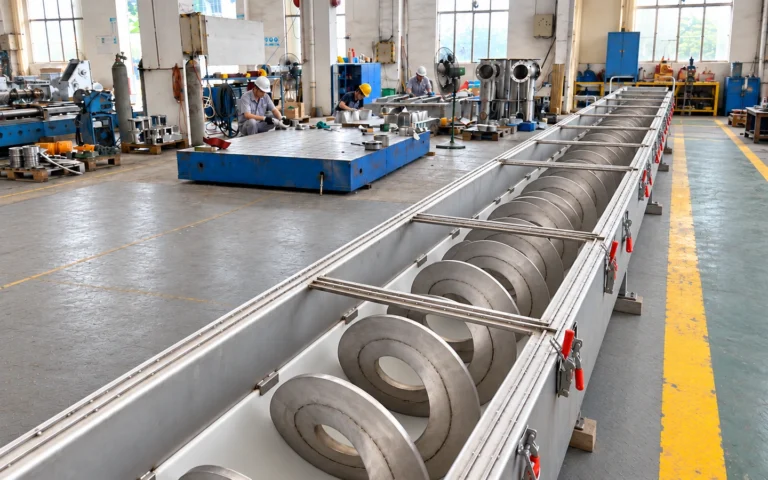
Shaftless Screw Conveyor
An open-center shaftless spiral runs on a wear liner, reducing internal obstructions in applications where a central shaft or hanger bearings are undesirable.
View Product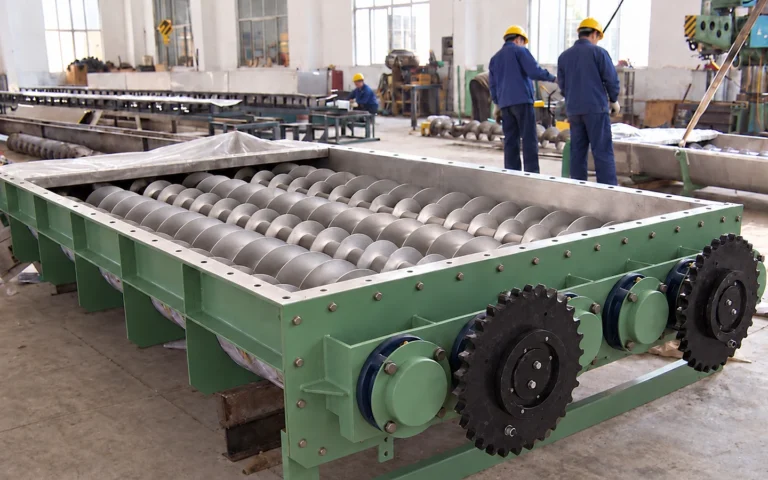
Multi-Screw Conveyor
Multiple screw shafts work within a common housing to collect and convey bulk materials across wide receiving areas or multiple feed points.
View ProductRelevant Solutions
Engineering conditions that may change conveyor design, construction or maintenance priorities in this industry.
Start Here
Tell us what you are moving and what the process needs to achieve. We will review the application and follow up on the technical details that matter.
Project Details
No commitment required. We evaluate application feasibility first.